
By Eugene Davis
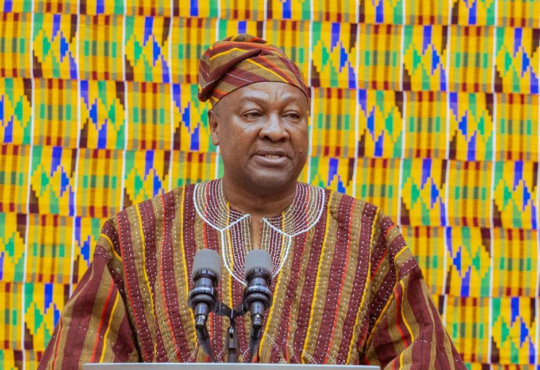
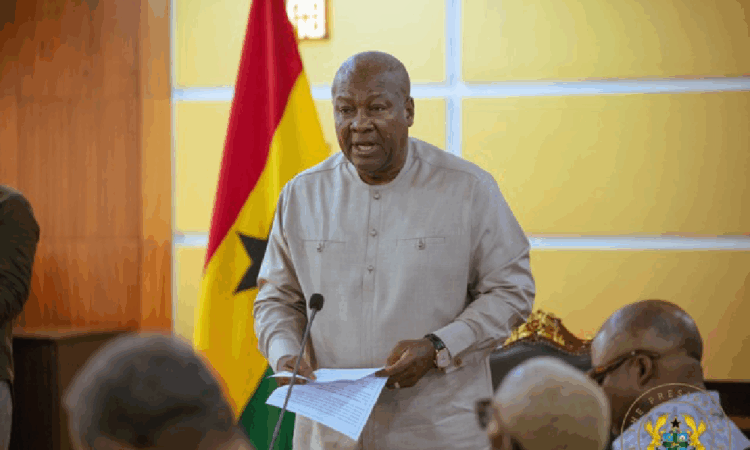
President John Dramani Mahama has sounded the alarm over persistent export bottlenecks costing Ghana an estimated US$4.3 billion annually in lost revenues, urging sweeping reforms to streamline trade processes and reposition the country as a competitive export hub.
Citing data from the International Trade Center, the President revealed that 47% of Ghanaian exporters face significant challenges, including delays, high operational costs, and excessive paperwork. In many cases, exporters are required to secure up to 16 different documents just to obtain a certificate of origin.
“These inefficiencies are costing the nation dearly,” President Mahama stated. “We must act decisively if we are to unlock our export potential.”
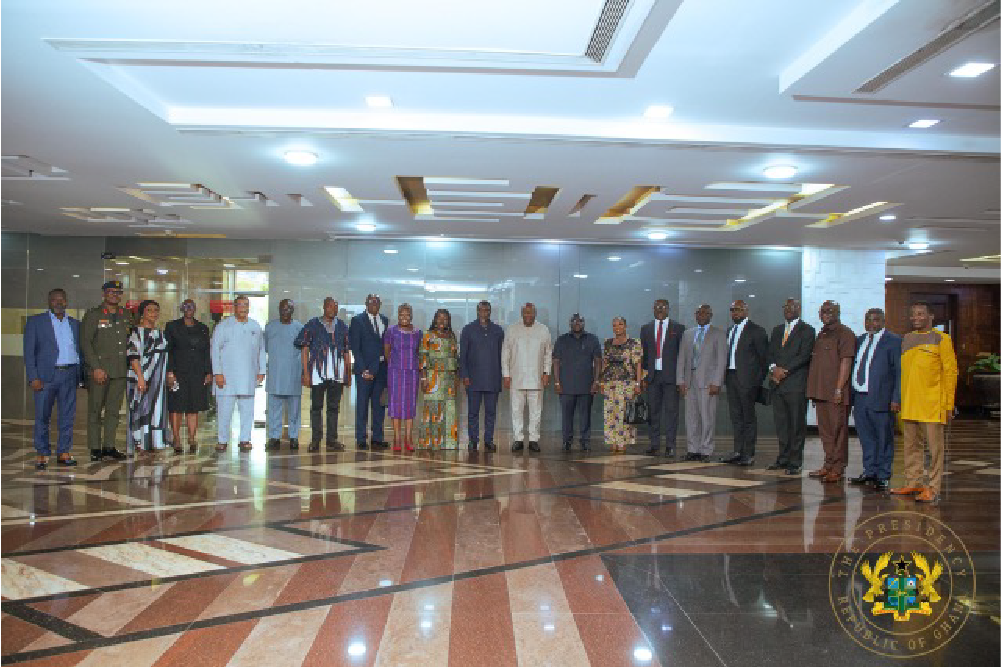
The President made the remarks during the inauguration of the Accelerated Export Development Advisory Committee (AEDAC), a 19-member body established to advise on strategies to ramp up Ghana’s non-traditional export (NTE) earnings from the current US$3.5 billion to at least US$10 billion annually by 2030.
Structural Reforms to Power Export Growth
To address the systemic challenges, President Mahama outlined a series of planned interventions aimed at improving trade infrastructure and logistics.
These include; modernization of Ghana’s ports,revitalization of the Volta Lake Transport Company,completion of the Mpakadan and Boankra inland ports and digitalization of export certification processes.
“These efforts will significantly reduce logistics costs and inefficiencies,” the President explained, adding that Ghana’s future export economy will be driven by digitalisation, innovation, and a knowledge-based approach.
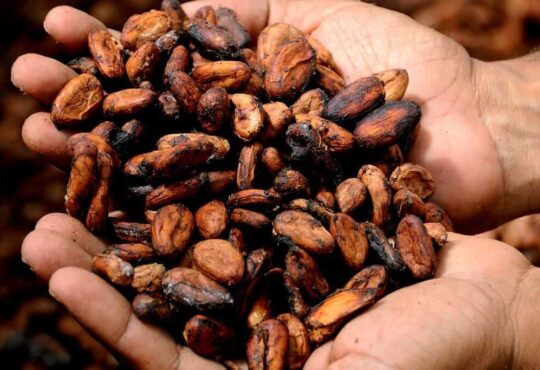
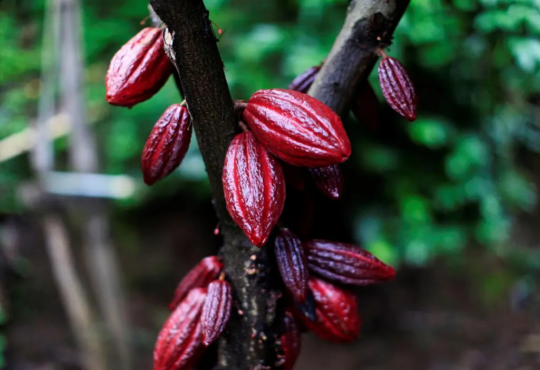
“Our future exports must go beyond cocoa and gold. Ghana must become a global hub for ideas, services, and innovation,” he said.
Incentives for Exporters and Local Industry
To stimulate export-oriented production, the government is introducing performance-based tax incentives, fast-track certification processes, and grant schemes to support businesses.
“We want a Ghana that earns more than it borrows, and a Ghana that adds value rather than exporting raw materials,” President Mahama stated.
The broader initiative aligns with the government’s 24-Hour Economy Agenda, which seeks to promote economic resilience by diversifying export markets and expanding the country’s industrial base.
Committee to Drive Strategic Export Agenda
The newly inaugurated AEDAC will be responsible for: providing strategic direction for export growth, promoting value addition across industries, enhancing public-private sector collaboration,driving innovation within the export ecosystem.
Composition of the AEDAC
The committee includes high-level policymakers and private sector experts. In addition to President Mahama as Chair, members include:
Augustus Goosie Tanoh (Presidential Advisor, 24-Hour Economy Policy),Dr. Cassiel Ato Forson (Minister for Finance),Elizabeth Agyare (Trade),Emelia Arthur (Fisheries),Eric Opoku (Agriculture),Dominic Ayine (Attorney-General)
Others are Gen. Paul Seidu Tanye-Kulono, Anthony Kwasi Sarpong, Gerald Nyarko Mensah and Prof. John Gatsi.
This strategic advisory body is expected to deliver actionable solutions to unlock Ghana’s export potential and enhance the country’s foreign exchange earnings over the next five years.