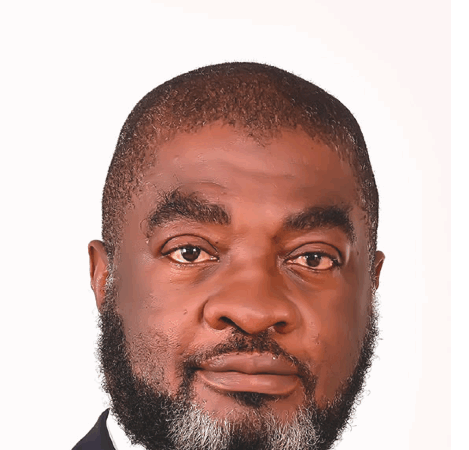

Dr. Ofosu-Dorte calls for political will and structured ecosystem to drive PPP success
By Eugene Davis
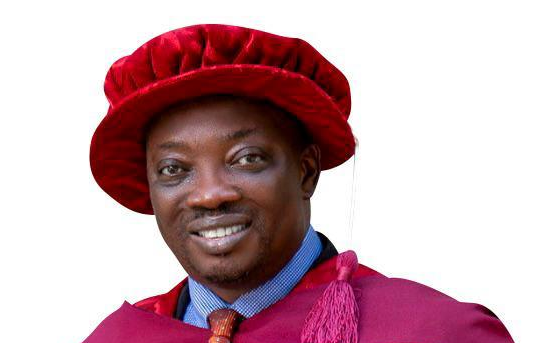
To ensure effective Public-Private Partnership (PPP) collaboration in Ghana and across Africa, there must be strong political will and a well-structured ecosystem, according to Dr. David Ofosu-Dorte, Senior Partner at AB & David Law Africa.
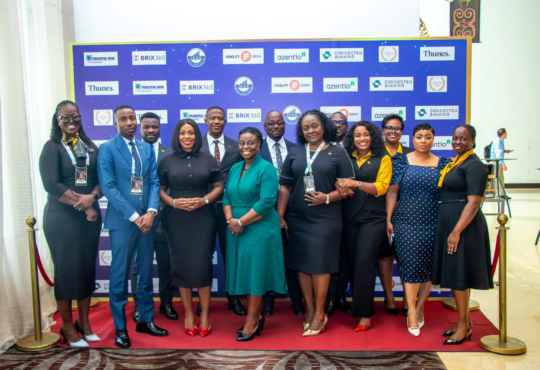
Delivering his keynote at the 6th Ghana Investment and Trade Week (GITW) in Accra, themed “Constructing Prosperity: Advancing Industrial Growth through Smart Infrastructure Planning”, Dr. Ofosu-Dorte emphasized that most of the necessary frameworks for PPPs already exist.
“We must create and sustain an ecosystem that actively encourages collaboration,” he said, pointing to existing structures such as:
The Public Investment and Assets Division (PID) under the Ministry of Finance;Approval committees; Parliamentary procedures; Local-level PPP support mechanisms.
“There is nothing fundamentally new that must be invented—what we need is to make what already exists work efficiently.”
Financing Exists—But Political Interference drives Investors away
According to Dr. Ofosu-Dorte, financing is not the challenge.
“There’s more money chasing projects than projects chasing money.”
However, inconsistent and politically motivated public statements—such as the cancellation of road tolls—have discouraged investors. He revealed that such a decision led seven major investors to withdraw their interest.
He urged public officials to exercise restraint in public pronouncements, noting that political interference often derails structured projects and leads to abandoned initiatives.
Private Sector Is Ready—But It’s Not Charity
“The private sector is not Father Christmas,” he noted. Investors seek returns and will negotiate for favorable terms. It is up to the government to balance these demands with public affordability.
Poorly structured PPPs that shift all risks to the public or create unpopular outcomes are unsustainable.
“The balance requires discipline, technical capacity, and transparency,” he added.
Avoiding Public Debt and Managing Risk
Dr. Ofosu-Dorte warned that poorly designed PPPs can burden the state with liabilities—particularly when sovereign guarantees or risk absorption clauses are triggered. These end up on the public debt register and can result in crises such as the Domestic Debt Exchange Programme (DDEP).
Common PPP risks include: Land acquisition disputes;Market risk due to tariff interference; Construction and operational delays.
He advocated for robust risk assessment and transparent risk-sharing models that protect the state and ensure long-term success.
Think Beyond Political Cycles
“PPP projects typically span multiple election cycles, but our short-term political mindset undermines them.”
He called for a shift away from election-driven planning to a long-term, cross-administration approach, anchored in respect for existing models and legal structures.
Final Call to Action
Dr. Ofosu-Dorte concluded with a strong message:
“We don’t need new laws or institutions—we need to make what we already have work better. The private sector is ready. Finance is available. What’s missing is consistent political will and disciplined execution.”
Traditional Leaders and Stakeholders add their voice
Ogyeahoho Yaw Gyebi II, President of the National House of Chiefs, called for closer collaboration between chiefs and government, especially in land use planning:
“Since chiefs own most lands in Ghana, it is critical that we sit together to zone our cities appropriately.”
Action and Partnerships
Surveyor Emmanuel Tetteh Martey, Chairman of the Ghana Chamber of Construction and Industry, welcomed the government’s Big Push infrastructure initiative, but called for concrete actions to follow the good intentions.
Zahoor Ahmed, Vice President of Strategy and Partnerships at MIE Groups (organizers of GITW), noted that the summit is growing in scale and participation:
“We’re proud to bring international businesses here to partner with government. Each year, we’ll continue to grow business-to-business and government-to-business engagements.”
This year’s summit brought together over 1,500 participants, including:
80+ exhibitors across the industrial, energy, construction, and green energy sectors;
Policy makers, local and international investors;
Global capital market players.
The GITW platform aligns with Ghana’s Vision 2030, focusing on sectors such as construction, manufacturing, energy, technology, and logistics—key drivers of Ghana’s goal to become an industrialised, inclusive, upper-middle-income economy.