
“The thing that hath been, it is that which shall be; and that which is done is that which shall be done: and there is no new thing under the sun.”
— Ecclesiastes 1:9
In every generation, nations wrestle with the forces that shape their destiny. Sometimes those forces are external—wars, pandemics, economic shocks. But often, the most dangerous forces are internal, hidden in plain sight, quietly eroding the very foundations of progress. Africa’s most urgent threat today is one such force. It is not poverty. It is not even corruption in the familiar sense.
It is godfatherism—the rule of men without mandates.
The Shadow Behind the Power
Across the continent, public office is often nothing more than the visible layer of a much older, more entrenched arrangement. Presidents emerge, governors are elected, ministers are announced—but behind the official titles are the real architects of power.
These men hold no mandate from the people. Yet they determine outcomes. They approve appointments, control budgets, and shape national direction. They are unelected, but not unknown. They are the masters without mandates, and their hold on African politics is not accidental. It is by design.
In Nigeria, a former governor determines the political future of an entire region. In Kenya, endorsements from aging power brokers decide who receives the party ticket. In Zimbabwe, even after resigning, old warlords maintain economic control through entrenched patronage networks.
Wherever political loyalty is purchased instead of earned, governance becomes theatre, not leadership.
Power in Africa is Not Always Held Where it Appears
The essence of godfatherism is strategic possession. A man funds your campaign. You win. But the office is not yours. You are a placeholder. Your primary function is not to govern but to protect the interests of your sponsor. This arrangement is called politics in many parts of Africa. But it is not politics. It is feudalism in disguise.
And the tragedy is not just that such arrangements exist—it is that they have become normal.
Why This Matters Globally
Africa is not isolated. What happens here affects the world.
When leadership is compromised, development falters. When institutions are hijacked, reforms are impossible. When youth see power as inaccessible, they leave. The result is migration pressure in Europe, investment flight from global markets, and fragile states vulnerable to ideological capture by foreign powers.
No investor builds long-term in a system where policy is subject to the whims of invisible actors. No society thrives when its brightest minds flee instead of build. No continent moves forward if its future is auctioned off behind closed doors.
Seeing Through the Chaos
To change this, African leaders must understand what Steve Jobs understood about chaos: that chaos isn’t a curse. It’s a pattern. It’s a signal. It’s a battlefield where only the strategically awake can find unfair advantage.
Godfatherism thrives where institutions are weak, where value systems are eroded, and where no one is paying attention to who really holds power. So long as the public is fixated on those who sit in the chair and not those who built the throne, the game continues.
The antidote is not cosmetic reform. It is strategic disruption.
Africa does not lack leaders. It lacks a new breed of thinkers—leaders who understand how power truly moves and how to confront it without fear. Those who can see the informal structure of control and design counterweights rooted in law, transparency, and public legitimacy.
This will not come from committees. It will not come from donor funds. It will come from minds sharpened by responsibility and free from the seduction of survival politics.
Final Thought
Power without legitimacy is a threat, not a solution.
Until Africans begin to challenge not just bad governance but unearned influence, until we begin to ask who put our leaders in place and at what price, until we recognize that every stolen mandate produces a stolen future, our best policies will remain hostage to those we never voted for.
Africa cannot rise with ghosts behind the throne.
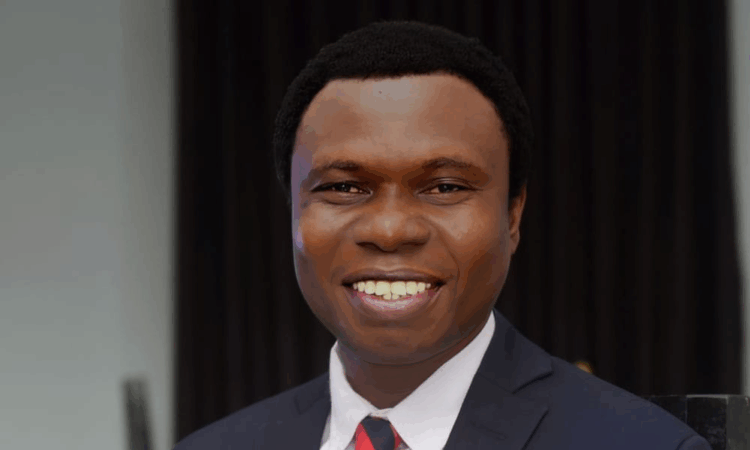
Dr Brian O Reuben is a Global Strategist and founder of the Africa Economic Summit