Eric Afful backs cocoa price hike, says farmers will benefit from stronger cedi



By Eugene Davis
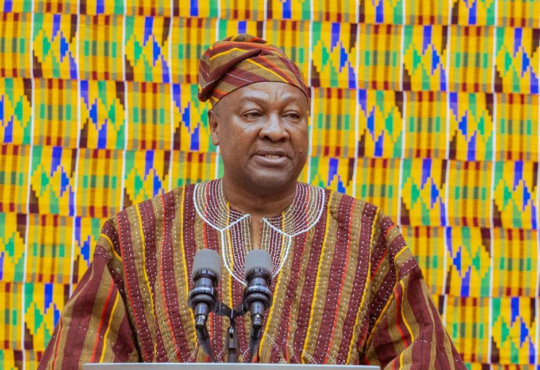
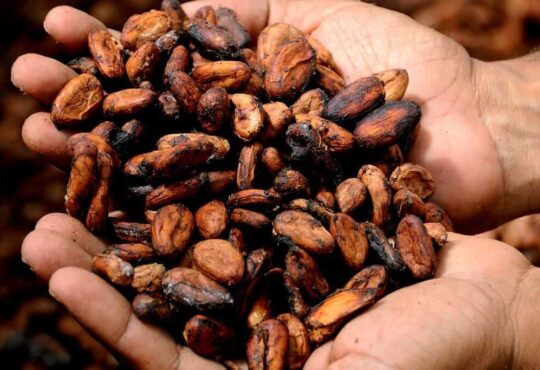
Chairman of Parliament’s Economic and Development Committee and MP for Amenfi West, Eric Afful, has defended the government’s decision to raise the cocoa producer price to US$5,040 per tonne for the 2025/2026 season — a 62.58% increase from US$3,100 — describing it as the best deal for farmers in recent years.
Speaking to the media on Wednesday, August 6, Mr. Afful said the increase reflects the 40% appreciation of the cedi this year, supported by the Bank of Ghana’s foreign reserves rising to US$11.1 billion.
“At Gh¢3,228.75 per bag, farmers can buy more goods and services compared to 2024. Simply put, the farmer is better off,” he stressed.
He explained that the new rate is based on an exchange rate of Gh¢10 to US$1, which offers greater value than if the cedi had weakened to Gh¢16. By comparison, he noted that under the previous administration, farmers received just 63.9% of the Free-on-Board (FOB) value, despite stronger global prices.
Government officials say the new FOB value was influenced by 100,000 tonnes of cocoa sold at US$2,600 per tonne during the 2023/2024 crop season, plus market forecasts for the year ahead.
To further support farmers, Mr. Afful cited initiatives such as free fertilisers, scholarships for farmers’ wards, and the early opening of the season in August to prevent hoarding.
He disclosed that COCOBOD is burdened with 333,000 tonnes of undelivered cocoa from the 2023/2024 season, costing about US$840 million, alongside a debt of Gh¢11.92 billion inherited from a Gh¢32 million starting liability. Due to the high cost of cocoa road projects (Gh¢21 billion), the Ministry of Roads will now take over their construction.
The Minority in Parliament has dismissed the price increase as “ridiculous, unfair, and unacceptable,” warning that inadequate compensation could push farmers toward illegal mining, worsening Ghana’s galamsey crisis and undermining the cocoa sector.
The pricing debate comes as Ghana, Ivory Coast, Nigeria, and Cameroon — which together produce over two-thirds of global cocoa — face mounting challenges including climate change, ageing trees, disease, and mining encroachment. Ghana’s cocoa output fell from over 1 million tonnes to less than half last season.
While COCOBOD forecasts a rebound to 600,000 tonnes this year, the International Cocoa Organization projects closer to 500,000 tonnes.