Gov’t boosts transition towards eco-friendly, energy efficient cooling ecosystem


…as Ghana Green Cooling Project officially takes off
By Patrick Paintsil
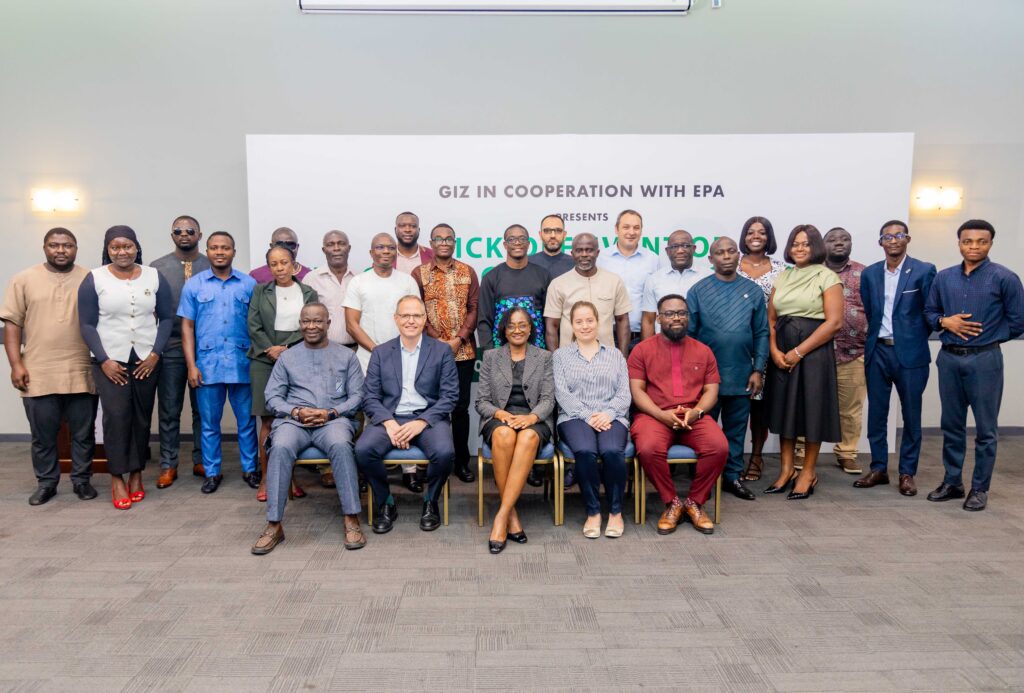
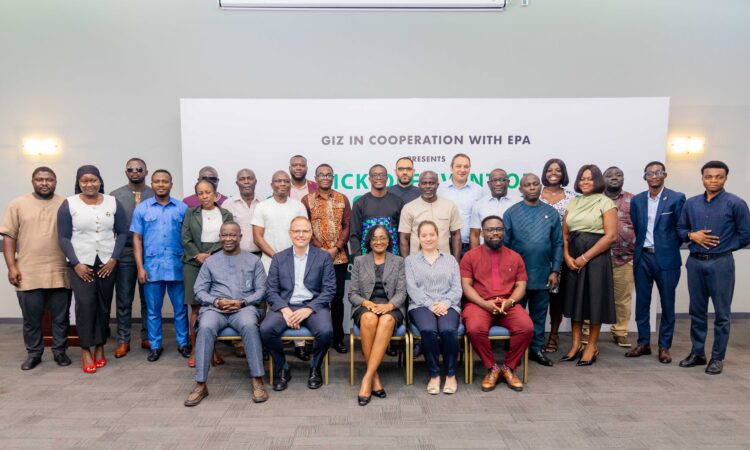
The Environmental Protection Authority (EPA), in partnership with the German Development Cooperation (GIZ) has launched the Ghana Green Cooling Programme—a milestone initiative to transition the country’s air-conditioning sector into an eco-friendly, energy-efficient and sustainable ecosystem.
Funded by the Swiss-based Klik Foundation, and in compliance to Article 6.2 of the Paris Agreement, the project is expected to cut down greenhouse emissions from the direct and indirect use of refrigerators with the roll out of the ‘green’ slit air conditioners that run on natural refrigerants and consume significantly less energy than conventional units.
It is jointly implemented by the Deutsche Gesellschaft für Internationale Zusammenarbeit (GIZ) GmbH and the Environmental Protection Authority (EPA), and forms part of Ghana’s commitment to sustainable development and its obligations under the Paris and Kigali agreements.
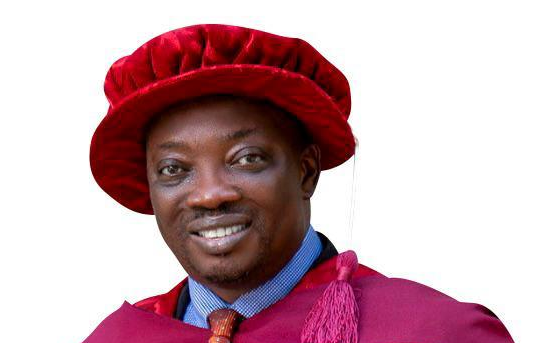
Chief Executive Officer of Environmental Protection Authority, Prof. Nana Ama Browne Klutse, speaking at the official launch event in Accra, noted that the occasion marked a significant milestone in Ghana’s journey towards a sustainable and climate resilient future, especially at a time when increasing urbanization and population growth have entrenched demand for cooling systems.
She said: “As we embark on this exciting journey, let us remember that the Ghana Green Cooling Project is more than just a technical intervention; it is a testament to our collective vision for a healthier planet and a more prosperous Ghana.
“It is a commitment to ensuring that our environment and development is sustainable, inclusive, and leaves no one behind,” she added.
The GGCP targets three major interventions: financial incentives for up to 150,000 climate-friendly AC units over the five-year project period, capacity building for technicians on safe installation, maintenance and life cycle management of air conditioners, and end-of-life management—collection, disposal and destruction of old refrigerants.
Sustainable energy and climate cluster coordinator for GIZ Ghana, Gunnar Wegner, indicated that the GGCP will shift Ghana’s air conditioning sector towards low carbon cooling by paving the way for green ACs that feature both coolants with lower green global warming potential and higher energy efficiency.
Mr. Wegner highlighted that his outfit has undertaken a number of projects, especially on refrigerant and e-waste management as well as energy efficiency initiatives.
These interventions, he said, signaled the German government’s commitment to partner Ghana in the fight against climate change and towards a more environmentally sustainable future.
On his part, the project manager for Klik Foundation Ghana, Michael Kofi Abrokwaa, described the GGCP as a giant step in Ghana’s leadership in sustainable cooling, reflecting the power of international cooperation in addressing climate change.
“Cooling is no longer a luxury; it’s essential for comfort, health and economic activity. With this program, Ghana is taking a bold action to transform its air conditioning and refrigeration sector,” he stressed.
Mr. Abrokwaa indicated that introducing high-efficient appliances and low global warming refrigerants, such as propane gas for R290 ACs, the project will generate sustainable development benefits—from new skills and jobs for technicians to reduce pressure on the electricity grid of Ghana to healthier and safer communities.
Executive secretary of the Energy Commission, Mrs. Eunice Biritwum, commended GIZ and other project partners for facilitating the smooth take-off of the GGCP, and pledged the commission’s support to ensure its seamless implementation.
“Energy Commission is unwavering in our commitment to collaborating with all stakeholders to enhance green cooling throughout our nation. By working together, we can be certain that each kilowatt saved and every ton of carbon dioxide reduced moves us towards a cleaner, cooler, and a more sustainable Ghana.