IFS urges gov’t to capture planned bailout for NIB, others in fiscal accounts


By Eugene Davis
Government has been encouraged to ensure that fiscal support to the financial sector are fully and transparently recognized in its fiscal accounts – in accordance with the commitment-based fiscal reporting framework that the country has signed up to.
The fiscal policy think tank, Institute for Fiscal Studies (IFS), is specifically asking government to report all expenditures related to the NIB recapitalization and similar bailouts that are to be extended to other beneficiary banks in the fiscal accounts.
During the 2025 Mid-Year Budget presentation, Finance Minister Dr. Ato Forson announced that government has recapitalized the National Investment Bank (NIB) with GH¢450m cash, GH¢1.5bn in bonds, and GH¢500m worth of Nestlé Ghana shares. These measures improved NIB’s Capital Adequacy Ratio from -53.13% (end of 2024) to +23% (May 2025), safeguarding GH¢6.4bn in depositor funds.
However, IFS cautioned that the mid-year budget recognized only GH¢450m in cash injection, excluding the GH¢1.5bn bond component.
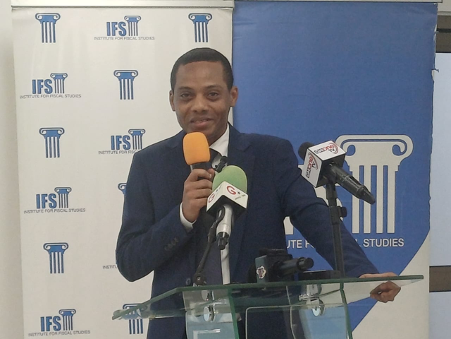
Research Fellow Leslie Dwight Mensah noted that under the commitment-based framework, all obligations — not just cash — must be reported.
He stressed that the full GH¢1.95bn intervention should be reflected for transparency and accurate assessment of Ghana’s fiscal position.
Mr. Mensah further warned that any future financial sector interventions, including plans to recapitalize ADB and CBG, must be comprehensively reported.
He added that omissions risk creating a misleading picture of fiscal space and could draw scrutiny from the IMF.
He explained that although the budget reflects Ghana’s IMF commitments, it is first and foremost a report to Parliament, which requires comprehensive disclosure under the commitment-based framework. This framework accounts for both cash and non-cash obligations, unlike the earlier cash-based system.
Mr. Mensah cautioned that excluding interventions like bonds creates a false impression of fiscal space, which could later complicate debt management — as seen with the DDEP, Daakye bond, and ESLA, which were initially excluded but later classified as part of public debt during restructuring.
“And we are cautioning that any future intervention in the financial sector ought to be comprehensively reported – remember the minister has said he is going to recapitalised ADB,CBG again next year, we saying all of that should be recognised.”
IFS stressed that proper reporting of such interventions is essential for transparency, fiscal sustainability, and realistic planning of government priorities.
The policy think-tank further noted that full reporting will improve fiscal transparency, allow better assessment of debt sustainability, and guide government in setting realistic fiscal priorities.