COMAC projects fuel price hikes as cedi weakens and global oil prices rise


By Eugene Davis
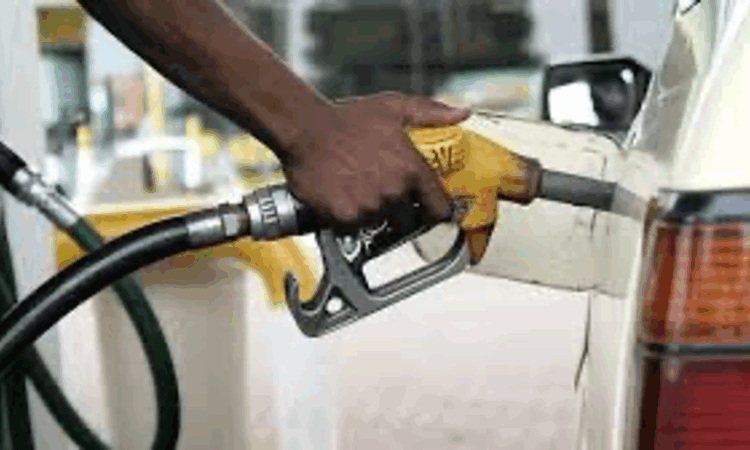
The Chamber of Oil Marketing Companies (COMAC) has projected fresh increases in fuel prices beginning today, citing the depreciation of the cedi and rising international product prices.
In its October 2025 pricing outlook, COMAC noted that ex-pump prices of petrol, diesel, and LPG are expected to rise between 0.35% and 2.47% for petrol, 1.36% and 3.41% for diesel, and 2.01% and 4.01% for LPG.
The chamber explained that the projected increases are largely due to the combined effect of climbing international product prices and the continued seasonal weakening of the cedi, both of which heavily influence Ghana’s petroleum market.
Crude Oil and Global Price Trends
Crude oil prices, which had dipped earlier, have rebounded by 1.57%, moving from $67.39 to $68.45 per barrel. Brent crude is forecast to approach the $70 per barrel mark, driven by geopolitical tensions and renewed supply concerns.
Consequently, international refined product prices rose by 0.89% for petrol, 2.49% for diesel, and 3.37% for LPG, developments expected to reflect in local pump prices.
Cedi Depreciation Pressures
The report further highlighted that for the 1st October 2025 pricing window, the cedi depreciated by 2.74%, sliding from GH¢12.07 to GH¢12.40 per dollar. This brought total losses in the third quarter to 15.09%, with no gains recorded.
According to COMAC, the persistent depreciation is linked to limited forex supply from the Bank of Ghana, coupled with mounting pressure from rising end-of-year import demand—a structural challenge in Ghana’s import-driven economy.
Tax and Levy Adjustments
Taxes and statutory levies remain a critical component of fuel pricing, as petroleum products serve as one of the government’s major revenue sources. Levies and margins on fuel not only support the national budget but also finance infrastructure, regulatory operations, and sector-related projects.
In 2025, two key fiscal measures were introduced in the petroleum sector:
On 16th July 2025, the Energy Sector Shortfall and Debt Repayment Levy (ESSDRL) of GH¢1 per litre was implemented under Act 1141, aimed at tackling accumulated shortfalls and debts in the energy sector.
On 1st September 2025, the Energy Sector Levies (Amendment) (No. 2) Act, 2025 (Act 1145) took effect, which increased the ESSDRL on Marine Gas Oil (MGO–Local) and introduced two new charges: the Road Fund Levy and the Energy Fund Levy. These were designed to reduce smuggling and misuse associated with MGO subsidies.
Implications for Consumers
Industry players warn that these factors combined—rising international prices, cedi depreciation, and new tax measures—will continue to put upward pressure on pump prices. For ordinary Ghanaians, the impact is likely to be felt in increased transport fares, higher cost of goods and services, and inflationary pressures across the economy.