MP slams govt’s energy ‘inaction’, says stability due to prior investments


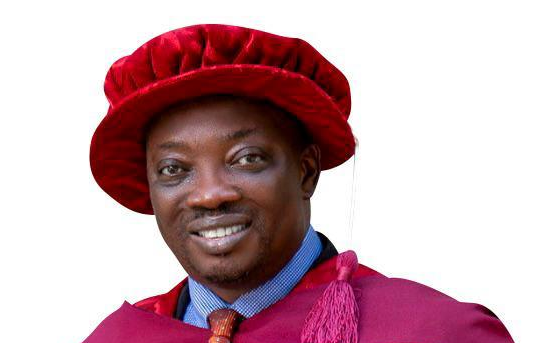
The Member of Parliament for Oforikrom, Michael Kwasi Aidoo, has criticised the government for failing to make any meaningful investment in the energy sector since assuming office, arguing that the stability Ghanaians are currently experiencing is the result of prior investments made by the previous administration.
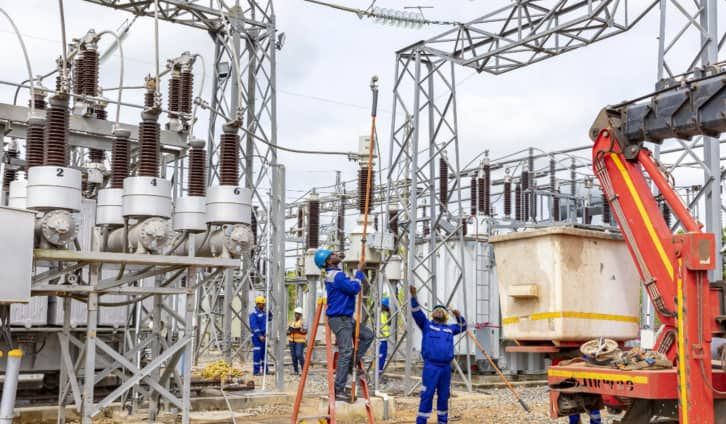
Debating the 2026 Budget, Mr. Aidoo—who serves on the Energy Committee—said the new power capacity expected from Aksa (300MW) and CENIT (350MW) in 2025 only exists because the earlier government initiated, negotiated, and prepared these projects long before the current administration took over. He stressed that the previous administration also invested heavily in substations, transmission upgrades, and distribution infrastructure—investments he says are responsible for preventing major power crises today.
Mr. Aidoo further challenged the government’s claim of improving ECG revenue, arguing that the increases stem largely from higher tariffs and new taxes imposed on Ghanaians, including the 18.4% electricity tariff hike and the GH¢1 per litre Energy Sector Levy on fuel.
He noted that the real gains in ECG revenue came from 1 million smart meters procured under the previous government and advanced revenue-collection solutions—such as the Hubtel platform—which ECG itself credits for boosting digital payments and reducing losses. He added that the current plan to procure 3 million additional smart meters in 2026 is only possible because the earlier government laid the foundation for digitalisation in the power sector.
Touching on energy-sector legacy issues, Mr. Aidoo also pointed out that during the Akufo-Addo era, government spent nearly GH¢1 billion annually servicing debts from legacy power purchase agreements. He argued that Ghanaians are still paying levies today because of these debts, yet the current government has not demonstrated a clear long-term strategy to reform the sector, diversify generation, or reduce operational inefficiencies.
According to him, the 2026 Budget reads more like a manifesto of promises than a practical economic plan—especially given the government’s commitments to industrialisation, the 24-hour economy, and energy-sector transformation. None of these, he said, are backed by tangible investments, credible timelines, or sector-specific reforms. “Ghanaians expected a budget that reflected the government’s own manifesto pledges, but what we have is a document full of promises that may never materialise,” he concluded.