MIIF warns geopolitical risks to shape Ghana markets, commodity prices in 2026

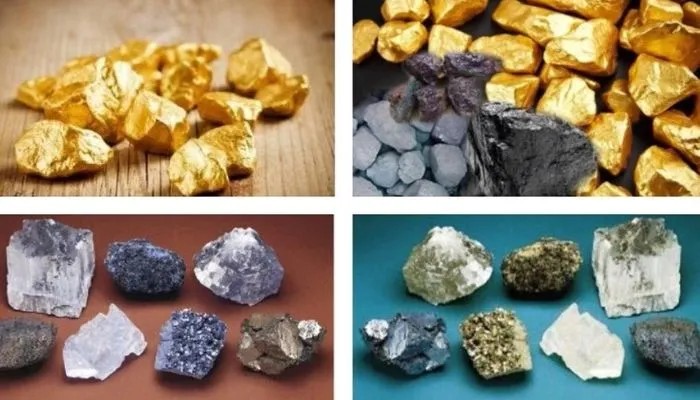

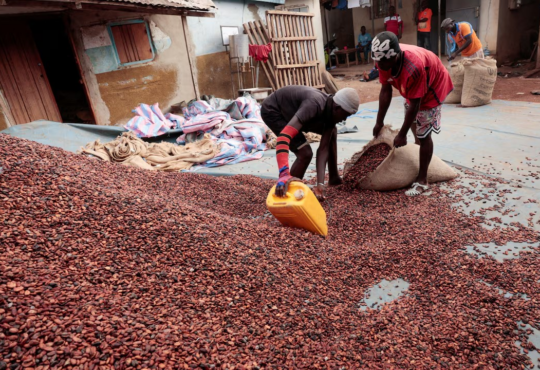
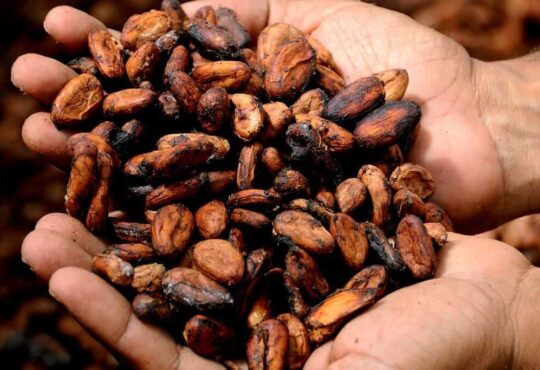
The Minerals Income and Investment Fund (MIIF) has identified geopolitical risk as a key force likely to shape global markets and Ghana’s external sector in 2026, warning that unresolved conflicts and shifting trade dynamics will continue to influence commodity prices, capital flows, and investor behaviourIn 2025, heightened tensions in the Middle East, the prolonged Russia–Ukraine war, and renewed trade frictions contributed to sharp price swings across energy and metals markets.According to MIIF’s Economic and Market Outlook and Strategic Investment Orientation for 2026, these pressures are expected to persist, interacting increasingly with structural factors such as the energy transition and global monetary easing.Market data from 2025 illustrates the impact. Gold prices surged by nearly 72 percent, supported by strong safe-haven demand and sustained central bank purchases, reinforcing gold’s role as Ghana’s most resilient export.Silver also posted strong gains in the latter part of the year, driven by industrial demand. In contrast, Brent crude prices softened, while cocoa and bauxite faced downward pressure amid easing supply constraints and weaker downstream demand.MIIF notes that this divergence highlights how geopolitical shocks now amplify underlying market trends rather than drive prices uniformly. Central banks continued to accumulate gold, while mining investment increasingly favoured politically stable jurisdictions critical to energy-transition supply chains.Looking ahead to 2026, MIIF expects OPEC production decisions, developments in major conflict zones and shifts in global trade policy to remain key variables shaping commodity markets, portfolio allocation and Ghana’s balance of payments.For Ghana, sustaining gold-led inflows while managing exposure to softer bulk commodities will be central to external sector stability in the year ahead.