
By Bensmith Afful
Climate change is no longer a distant global conversation; it is a lived reality in Accra and many regions across Ghana. In recent years, rainfall patterns have become increasingly erratic, with prolonged dry spells, unexpected heavy downpours, and shifting farming seasons. These changes are not abstract scientific projections, they are directly affecting food production, farmer livelihoods, and urban food security.
The instability in rainfall patterns is closely linked to rising greenhouse gas emissions, largely driven by fossil fuel consumption, deforestation, and unsustainable urban practices. Addressing emissions is therefore central to mitigating climate change and stabilizing our agricultural future.
Farmers across Ghana now face unpredictable planting and harvesting seasons. Traditional rainfall calendars that once guided agricultural activities are becoming unreliable. The consequences include:
• Crop failures due to delayed or insufficient rainfall
• Flooding and soil erosion caused by intense rainfall events
• Increased pest infestations and crop diseases
• Reduced yields and income instability for farmers
These challenges directly threaten food security, increase food prices, and worsen economic pressures on households, especially in urban centers like Accra that depend heavily on rural food supply chains.
Reducing greenhouse gas emissions is therefore fundamental to addressing climate change. But the transport sector is one of the major contributors to urban emissions, particularly through reliance on fossil-fuel-powered vehicles.
A shift in mobility behavior is therefore urgently needed. The youth, who represent the energy and innovation of our society, must lead this change. Choosing to ride bicycles for short distances instead of booking a car or ride-hailing service significantly reduces carbon emissions, improves air quality, and promotes healthier lifestyles.
Small behavioral shifts, when adopted at scale, can produce meaningful environmental impact.
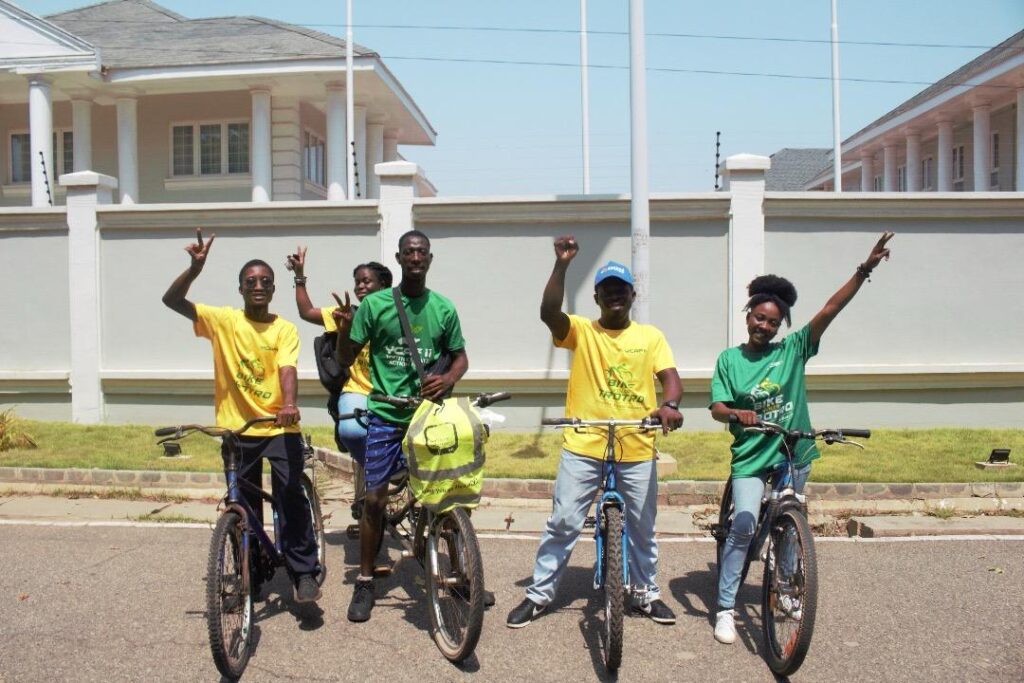
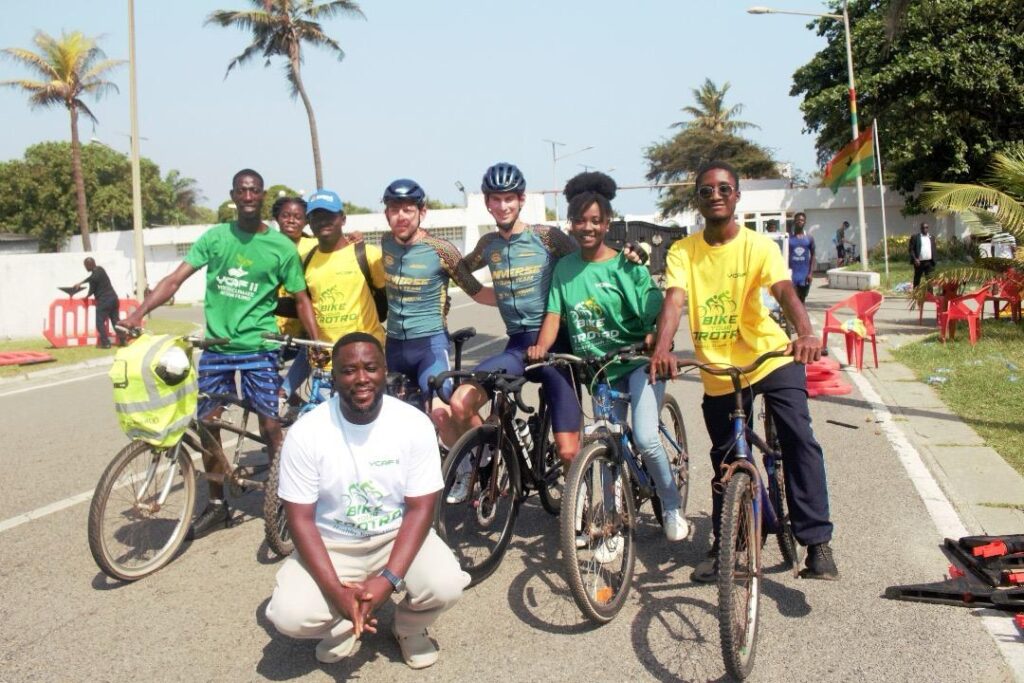
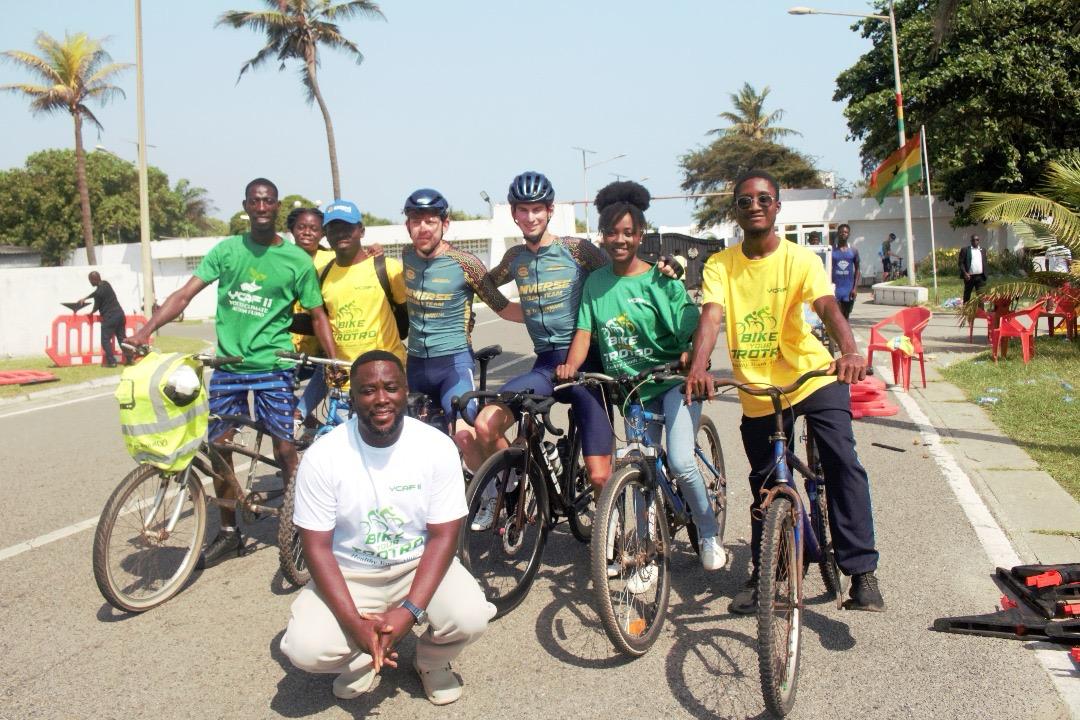
It is therefore commendable that the Mayor of Accra, Hon. Michael Allotey Pappoe, has demonstrated leadership in promoting sustainable transport alternatives. His support for cycling initiatives, especially, the Bike Your Trotro Initiative under the Youth Climate Action Fund (YCAF) reflects a forward-thinking approach to climate-responsive urban planning.
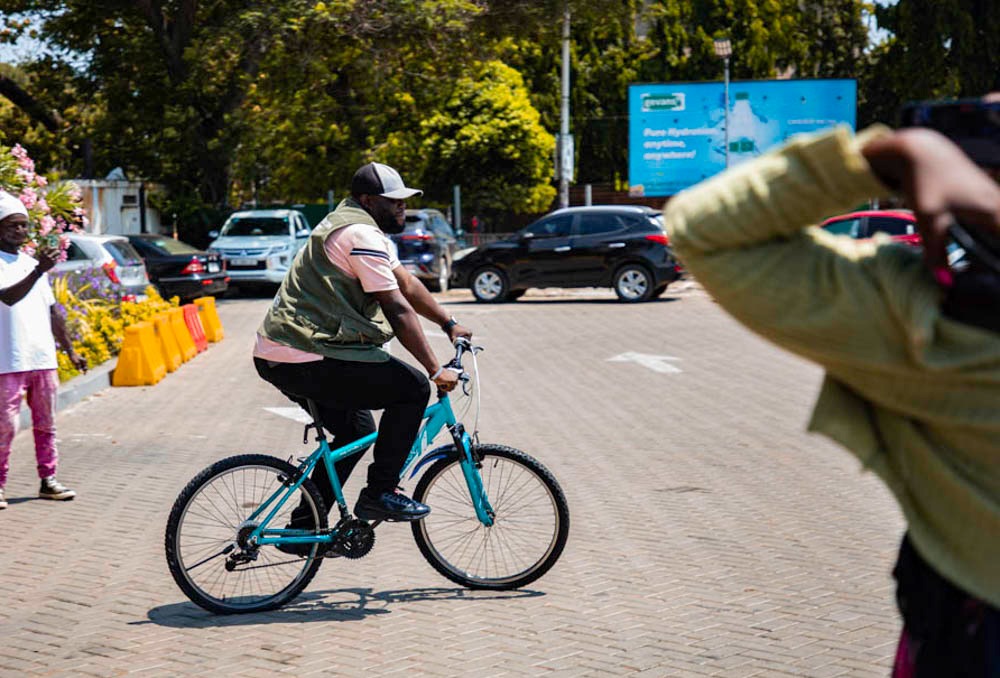
Encouraging bicycle use, integrating it with public transport systems, and promoting low-carbon mobility solutions are practical steps toward reducing urban emissions. These efforts align with broader climate adaptation and mitigation goals and signal a commitment to building a resilient, climate-smart Accra, the reason why the Mayor was seen riding a bicycle.
At the recent AMALI Conference in Cape Town, Mayor Michael Allotey Pappoe stated his vision to transition Accra’s mobility system from fossil fuel dependence to electric vehicles.
This vision directly aligns with Ghana’s National Determined Contributions (NDCs) priority areas, which include:
• Low-carbon transport systems
• Sustainable urban development
• Reduced urban emissions
• Climate-resilient infrastructure
The support for cycling and the Bike Your Trotro Initiative under the Youth Climate Action Fund (YCAF) represents a complementary strategy, combining immediate emission reduction through non-motorized transport with long-term electrification of public transport systems.
However, achieving national climate targets requires coordinated action between local authorities and central government. To support Accra’s mobility transformation and Ghana’s NDC implementation, the following are essential:
• National EV adoption incentives and standards
• Investment in charging infrastructure
• Dedicated cycling lanes and safe pedestrian corridors
• Financing mechanisms for electric buses and rail transport
• Public education campaigns promoting sustainable transport
Collaboration between ministries, metropolitan assemblies, development partners, private investors, and civil society will accelerate implementation and ensure consistency with national climate strategies.
In conclusion, climate change is reshaping rainfall patterns, undermining agricultural productivity, and threatening food security. Cutting emissions is no longer optional, it is essential. By embracing cycling for short distances, investing in electric mobility, and supporting visionary leadership, Accra can reduce emissions, protect farmers’ livelihoods, and secure a more sustainable food system.
The time to act is now. Sustainable mobility is not just a transport solution, it is a climate solution, an economic solution, and a food security solution.