Gov’t targets hospital retooling and maintenance reform to strengthen healthcare delivery


By Eugene Davis
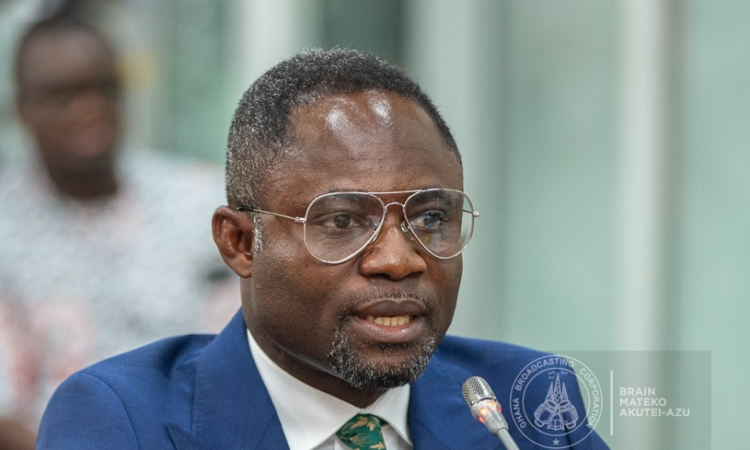
Minister of Health, Kwabena Mintah Akandoh has reaffirmed the government’s commitment to expanding access to quality healthcare through stronger infrastructure and improved medical equipment across Ghana, with particular focus on underserved communities.
Appearing before Parliament to respond to questions on the health sector, the minister acknowledged that while investments over the years have expanded the network of hospitals and clinics, significant infrastructure gaps and maintenance challenges persist in parts of the system.
“These gaps can affect efficiency, patient safety and the quality of service delivery,” Mr Akandoh told lawmakers.
To address these issues in a more structured manner, the Ministry of Health has developed long-term frameworks, including the Health Infrastructure Strategic Plan and the Ghana Health Infrastructure Strategy 2025–2029.
The two policy documents are expected to guide the expansion, rehabilitation and upgrading of health facilities nationwide, subject to available fiscal resources.
Equipment retooling programme
A key component of the government’s approach is a nationwide equipment retooling programme aimed at replacing obsolete or non-functional medical equipment across public health facilities.
“In practical terms, an Equipment Retooling Programme is underway to replace obsolete and non-functional equipment nationwide,” the minister said.
Under the initiative, the procurement of dialysis machines has been prioritised to expand access to treatment for kidney-related conditions. The dialysis programme is currently at the tendering stage and is expected to strengthen the management of renal diseases, which have become an increasing burden on the healthcare system.
Improving maintenance culture
Alongside the retooling programme, the ministry is seeking to address what officials describe as a long-standing weakness in the maintenance culture within the health sector.
Mr Akandoh said agencies including the Ghana Health Service and teaching hospitals have been directed to allocate at least 10 per cent of their Internally Generated Funds towards the maintenance and replacement of medical equipment.
The policy is intended to reduce avoidable equipment breakdowns and ensure that facilities remain operational after new equipment is installed.
Health authorities are also moving to strengthen governance around asset management. The ministry is implementing a sector-wide maintenance policy and an equipment management framework designed to provide clear guidelines on servicing, upkeep and the timely replacement of ageing machines.
An asset management and maintenance system is also being introduced to improve planning, monitoring and accountability, with the aim of shifting health facilities away from reactive repairs towards structured preventive maintenance.
Addressing urgent equipment shortages
The ministry has also begun addressing urgent equipment shortages in facilities facing immediate operational challenges.
Support has been extended to hospitals including Tamale Teaching Hospital and Asawinso Hospital, while anaesthesia machines are being supplied to several hospitals to stabilise surgical services as broader retooling measures take effect.
Mr Akandoh said these interventions demonstrate the government’s commitment to ensuring that health facilities are adequately equipped to deliver essential services.
Stronger regulation and oversight
Maintenance standards are also being reinforced through regulatory oversight.
The Health Facilities Regulatory Agency has incorporated infrastructure condition and equipment functionality into its facility inspection and licensing processes. This means routine regulatory assessments will now consider whether hospitals adhere to maintenance plans and maintain operational equipment.
The approach is intended to institutionalise maintenance practices and ensure that infrastructure standards are consistently upheld across the health sector.
Wider implications for the economy
Strengthening healthcare infrastructure carries broader implications for Ghana’s economic development.
Reliable health systems play a crucial role in maintaining workforce productivity and reducing the economic burden of disease. When hospitals are adequately equipped and maintained, patients can access timely treatment locally, reducing travel costs, lost working hours and pressure on tertiary facilities in major cities.
Improved healthcare infrastructure may also help reduce the growing trend of Ghanaians seeking specialised treatment abroad, which places additional strain on household finances and contributes to foreign exchange outflows.
However, analysts note that the long-term success of the government’s strategy will depend on consistent funding, disciplined procurement processes and sustained attention to maintenance — areas that have historically posed challenges for public infrastructure projects.
If effectively implemented, the retooling and maintenance reforms could strengthen Ghana’s health system while supporting broader economic resilience by improving the quality and reliability of healthcare services nationwide.
Kwabena Mintah Akandoh