CSIR-SARI reaffirms commitment to biotechnology to boost food security



The Savanna Agricultural Research Institute (SARI) of the Council for Scientific and Industrial Research (CSIR) has reaffirmed its commitment to strengthening the country’s food security and improving rural livelihoods through research and innovation, while maintaining strict food safety standards.
The institute indicated that it would continue to leverage agricultural biotechnology to complement conventional breeding methods in the development of improved crop varieties capable of resisting pests and diseases, while delivering higher yields to farmers.
According to the institute, biotechnology offers opportunities to bridge inter-specific gaps that are often difficult to achieve through traditional hybridisation techniques.
The Deputy Director and Chairman of the Biosafety Committee at CSIR-SARI, Dr. Joseph Adjebeng-Danquah, said biotechnology had proven to be a useful tool in addressing major agricultural challenges confronting farmers.
“Biotechnology is more convenient for bridging gaps that would not have been possible to achieve through conventional processes,” he said.
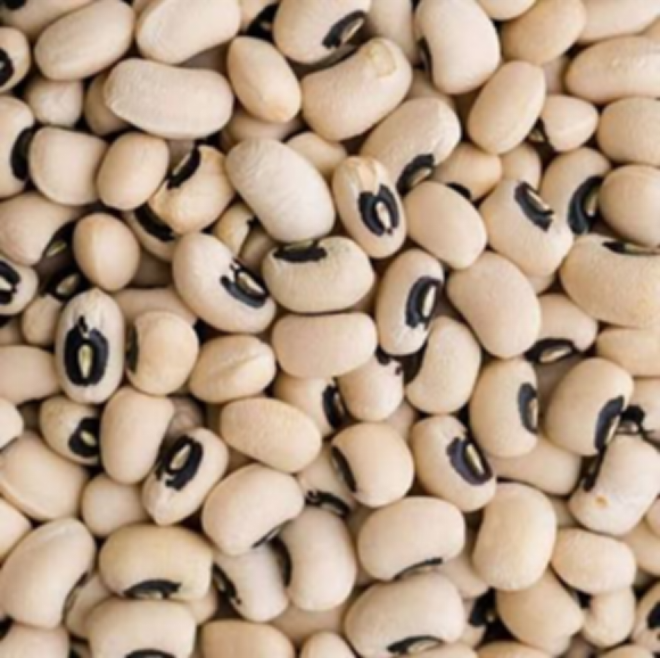
Dr Adjebeng-Danquah cited the development and release of Bt Cowpea for production as a clear demonstration of how biotechnology could help address key constraints in crop production and support improved productivity for farmers.
The genetically modified Bt cowpea was developed to help farmers combat the destructive Maruca pod borer, a major pest that significantly reduces cowpea yields in West Africa.
After several years of confined field trials and regulatory reviews, the crop received environmental release approval in 2019 from the National Biosafety Authority of Ghana under the country’s biosafety regulatory framework.
Bt cowpea was subsequently released as the first genetically modified cowpea variety in 2022, making Ghana one of the first countries in West Africa to adopt biotechnology for cowpea production. The improved variety is designed to resist the Maruca pod borer, reduce pesticide use, increase yields and improve farmers’ incomes.
Dr Adjebeng-Danquah made the remarks during a two-day stakeholder engagement held in Accra, which brought together scientists, regulators and other stakeholders in the agricultural biotechnology space to discuss developments in genetically modified (GM) technology in Ghana.
The discussions covered a wide range of issues relating to ongoing GM technology activities in the country and also highlighted progress made in the development of Bt cowpea. Participants also examined ways to strengthen collaboration with regulatory institutions and development partners to support efforts aimed at improving farmers’ livelihoods and enhancing food security.
Cowpea farmers in Ghana often lose up to 80 per cent of their crops to pests, particularly the pod borer Maruca vitrata, a major constraint to production that leaves many smallholder farmers struggling with low yields and income losses.
Dr Adjebeng-Danquah said researchers at CSIR-SARI were working to develop additional improved cowpea varieties to expand the options available to farmers. He said the new varieties under development would possess key traits including drought tolerance, pest resistance and higher yield potential.
For her part, Dr. Hannah Serwaa Nuamah, an entomologist and Deputy Director at the Plant Protection and Regulatory Services Directorate (PPRSD) of the Ministry of Food and Agriculture, sought to allay public concerns about the safety of biotechnology crops.
She said the directorate plays a central regulatory role in the adoption of agricultural biotechnology to ensure that any genetically modified crops released to farmers or placed on the market meet established safety standards.
“I can assure the public that key regulatory institutions like PPRSD are actively involved at every stage of agricultural biotechnology development to ensure strict adherence to safety protocols and approved standards,” she said.