
By Eugene Davis
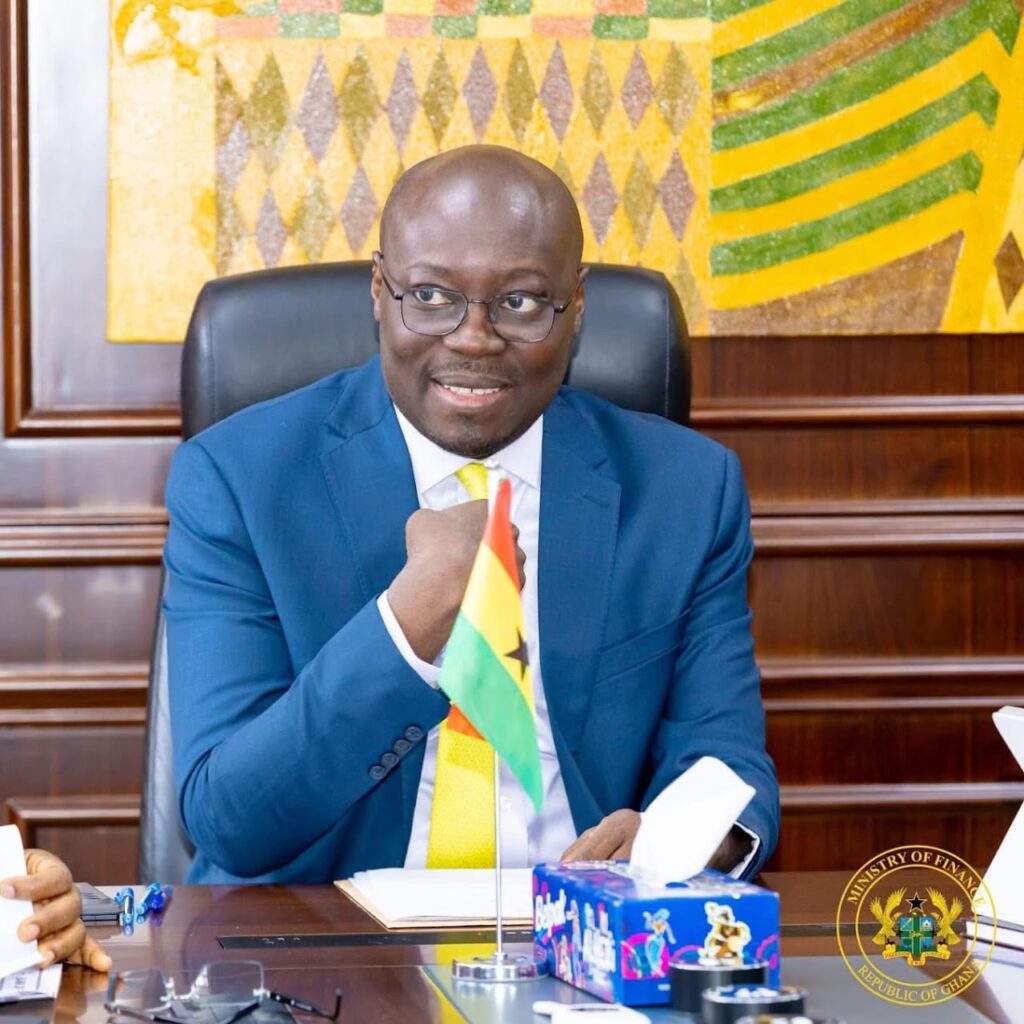
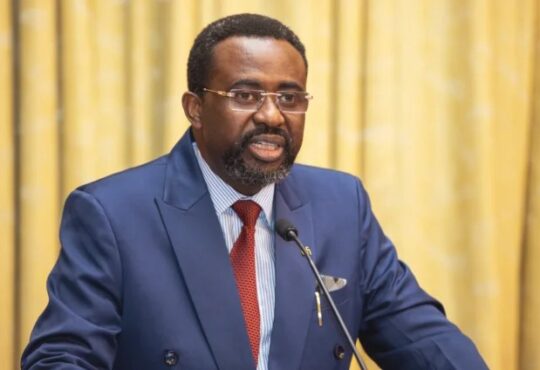
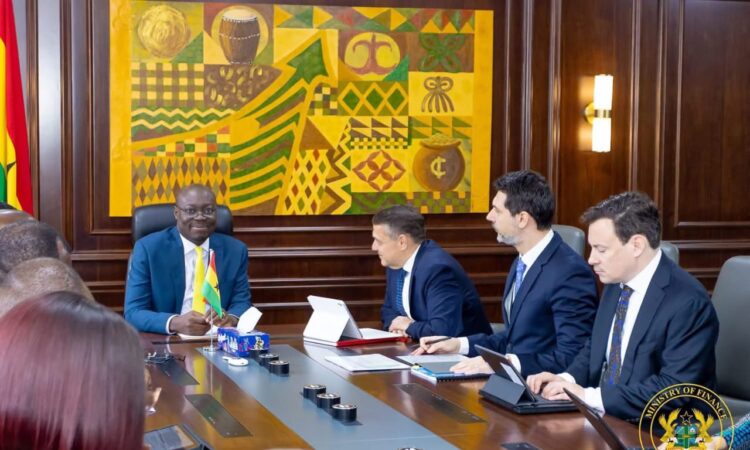
Finance minister Cassiel Ato Forson has opened talks with an International Monetary Fund mission led by Ruben Atoyan to begin the sixth review of Ghana’s programme under the Extended Credit Facility, framing it as a pivotal moment in the country’s post-crisis recovery.
Mr Forson said the gains made since the 2022 economic crisis —marked by debt restructuring and fiscal tightening—had restored a measure of stability and credibility, but warned that “progress does not permit complacency”. Key risks remain, he noted, with youth unemployment emerging as the most pressing challenge.
“If we do not create the conditions for the private sector to absorb our young people, the pressure on the state to provide jobs will become unsustainable,” he said, underscoring the need to translate macroeconomic stability into tangible employment and investment gains.
The minister signalled that the next phase of reforms would focus on strengthening policy credibility, enforcing fiscal discipline and boosting investor confidence—priorities broadly shared by the IMF team, which described the review as a significant milestone in Ghana’s reform programme.
Post-IMF transition: economic stakes
As Ghana edges closer to the latter stages of the programme—and eventual exit—the central test will shift from stabilisation to growth. While inflation has moderated and the currency has shown relative stability, the underlying economy remains fragile. High borrowing costs, constrained credit to the private sector and lingering energy sector risks continue to weigh on business expansion.
For companies, the post-IMF phase presents a mixed picture. Improved macro stability could lower risk premiums and gradually unlock investment, particularly in manufacturing and services. But without deeper structural reforms—especially in revenue mobilisation, energy reliability and regulatory certainty—private sector confidence may remain cautious.
Youth unemployment adds another layer of urgency. A failure to generate sufficient private-sector jobs risks reversing recent gains, increasing fiscal pressure and fuelling social discontent—factors that could undermine the very stability the programme has restored.
Lessons and policy implications
Three lessons stand out
First, stabilisation is not self-sustaining. Fiscal discipline and reform momentum must be maintained beyond the programme to avoid a relapse into crisis. Ghana’s past cycles of boom and bust underline the risks of reform fatigue once external oversight recedes.
Second, growth must become more broad-based. The recovery cannot rely solely on macro indicators; it must be anchored in productivity gains, export diversification and support for small and medium-sized enterprises, which remain the largest employers.
Third, credibility is currency. Transparent communication, consistent policy execution and timely settlement of government obligations—particularly in sectors such as energy—will be critical to sustaining investor trust.
In that sense, the sixth review is less a conclusion than a transition point. Ghana has regained a measure of stability; the challenge now is to convert it into durable, job-rich growth.