Africa Must Lead in a Multipolar World: Time to own our future, not follow others’ agendas

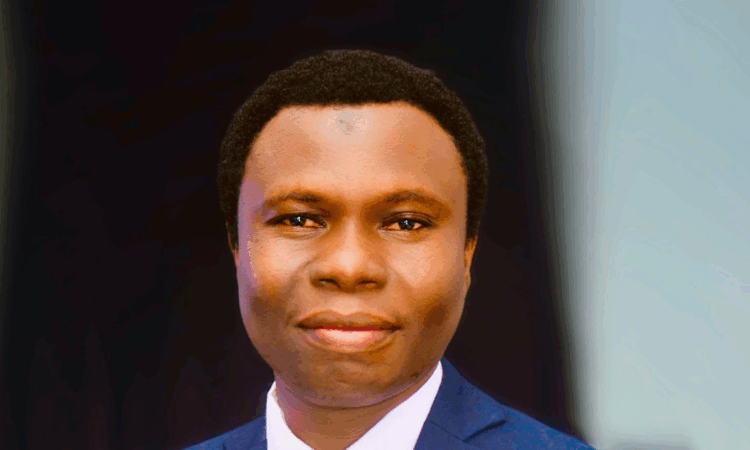

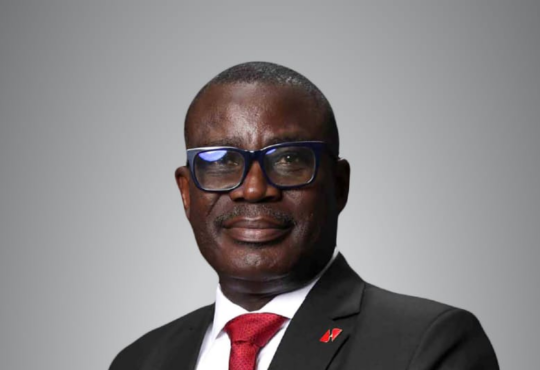
By Dr Brian O Reuben, Executive Chairman, The Sixteenth Council
The global order built after World War II, dominated by American power and Western-led institutions, is crumbling. The era of unquestioned U.S. dominance is over. We now live in a multipolar world, shaped by rising powers like China, India, Russia, the European Union, and emerging regional forces. This tectonic shift presents African leaders with a historic choice: continue to hedge their bets and align with external powers, or seize the moment to lead and define Africa’s own future.
The numbers tell a compelling story. Although the United States remains the world’s largest economy, accounting for roughly 26.1% of global GDP in 2025, China’s meteoric rise has brought it to nearly 19.7%. Beyond the sheer economic weight, China has forged strong alliances and leveraged initiatives such as the Belt and Road to extend its influence deeply across continents, including Africa. Meanwhile, India, Russia, Brazil, Turkey, Saudi Arabia, and South Africa are increasingly asserting independent diplomatic, military, and economic power. The Western monopoly on global governance is over.
So, how should African countries respond?
First, the days when African nations looked to America or the West for validation and development support must end. Historically, aid, loans, and policy prescriptions from institutions like the IMF and World Bank came with strings attached—restrictions that limited true sovereignty and stifled African-led development plans. Today, even U.S. leadership is turning inward, as witnessed by the Trump administration’s disengagement from aid and multilateral diplomacy. Reliance on Western largesse is no longer a reliable or sustainable strategy.
Second, African nations must resist swapping one form of dependency for another. China’s Belt and Road Initiative has been portrayed as a boon for infrastructure development, but its model often entrenches debt dependency and political leverage over recipient countries. Any partnership that erodes Africa’s freedom to chart its own course is not partnership but new bondage. Africa deserves relationships based on mutual respect and shared benefits—not unequal power dynamics.
Yet Africa’s strengths are clear and undeniable. It has the youngest population in the world, a demographic asset that could fuel innovation, entrepreneurship, and growth for decades to come. The continent is rich in natural resources critical for the global economy—from minerals and oil to agricultural wealth. Moreover, Africa represents one of the fastest-growing markets, with increasing urbanization and a rising middle class. But raw assets alone don’t translate to prosperity. Without robust infrastructure, technological capacity, capital investment, and intra-African trade, these advantages remain dormant potential.
Leading means more than lofty rhetoric—it demands concrete action.
African leaders must commit to building institutions that can finance infrastructure and technological advancement independently. The African Continental Free Trade Area (AfCFTA) is a historic step, but it must be more than an agreement on paper. It needs operationalizing into a driver of industrialization, creating value chains across borders, and ensuring wealth circulates within the continent instead of leaking out.
Investment in education, especially in science, technology, engineering, and mathematics (STEM), must be prioritized to equip Africa’s youth for a competitive global economy. Research and innovation hubs should be nurtured with local and diaspora expertise, focusing on African solutions to African challenges.
Political will is essential. Africa must present a unified diplomatic front in global forums, speaking with one voice on trade, climate change, security, and development. Fragmented approaches only weaken bargaining power and perpetuate external influence.
Africa’s leadership role also requires strategic partnerships based on equality—not alliances dictated by power imbalances. This means engaging with China, the U.S., Europe, and other players on terms that protect sovereignty and promote mutual growth.
The risks of continuing to hedge—trying to balance competing powers without clear direction—are significant. It breeds uncertainty, invites manipulation, and delays decisive action on the continent’s urgent priorities. Aligning fully with any single global power risks replicating past dependencies under a new guise.
The world order is changing. This is Africa’s moment to stop following and start leading. The challenges are immense, but so too is the opportunity.
Africa’s future depends on bold leadership that dares to envision and build a self-reliant continent, leveraging its youthful energy, resources, and market potential to create lasting prosperity. The path is clear. It is time to own Africa’s story, shape its destiny, and lead the world into a truly multipolar future.
Dr Brian O Reuben is the Executive Chairman of the Sixteenth Council