
By Edward Adjei Frimpong
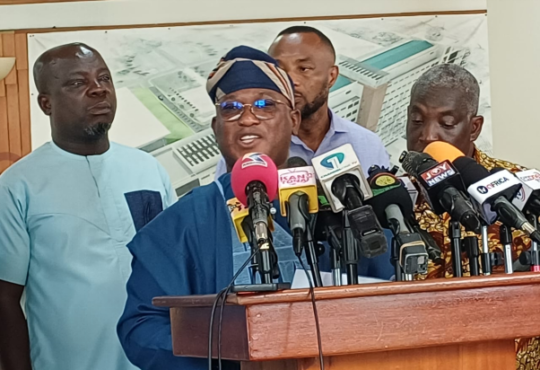
The Minister for Local Government, Chieftaincy and Religious Affairs, Ahmed Ibrahim, has announced that the government is taking strategic steps to introduce municipal bonds and strengthen public-private partnerships tied to specific development projects across Metropolitan, Municipal and District Assemblies (MMDAs).
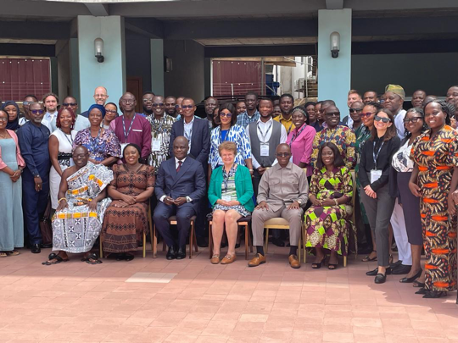
Speaking at the opening of the African Cities Research Consortium’s urban property tax workshop in Accra, the Minister explained that the initiative would enable MMDAs to access capital market and private sector funding to improve local development and municipal service delivery.
He noted that the initiative forms part of a broader fiscal decentralisation strategy aimed at empowering local governance structures.
Municipal bonds are debt instruments that local and state governments issue to finance public infrastructure projects, including roads, bridges, and schools. By introducing such instruments, government seeks to diversify funding sources for local projects and reduce overreliance on central government transfers.
Mr. Ibrahim also disclosed that the government intends to abolish the centralised property rate collection system and provide MMDAs with technical support to enhance their capacity for local revenue mobilization for improved collection and administration of property taxes as a critical revenue source for local authorities.
In 2023, government rolled out the Unified Common Property Rate Platform—myassembly.gov.gh—as a centralised system to manage property rate collection nationwide. The platform aimed to streamline collections, increase transparency, and boost revenues for local assemblies. However, government suspended the platform in 2024 pending a comprehensive review after local authorities reported revenue shortfalls and operational challenges under the new system.
“The centralised system aimed to enhance national oversight, but it created significant bottlenecks and denied MMDAs timely access to much-needed revenue,” Mr. Ibrahim stated. “We must restore the fiscal autonomy of MMDAs and equip them to generate and manage their own-source revenues.”
He observed that property taxation remains a powerful but underexploited tool for financing local development across Africa. According to the Minister, systemic issues—such as outdated or non-existent property valuation rolls, fragmented registers, weak enforcement systems, and low taxpayer confidence—have limited the effectiveness of property tax administration.
He further pointed out that conflicts between central and local governments, along with unclear mandates, capacity deficits, technological challenges, and political resistance, have compounded these difficulties, stressing “As part of pending reforms, government will seek to address these barriers to improve MMDA fiscal independence.”
Greater Accra Regional Minister Linda Ocloo, in a speech read on her behalf, called for strategic partnerships across all levels of government and with civil society, academia, development partners, and local residents. She highlighted the importance of leveraging technology to enhance accountability, public trust, and efficiency in property tax collection.
“Technology can serve as a powerful enabler of reform in property tax administration,” she said, “especially when implemented in collaboration with stakeholders.”
Harriet Nuamah Agyemang, Country Director of SEND Ghana and Vice Chairperson of the Local Governance Network (LOFNeT), urged the adoption of a multifaceted approach to domestic resource mobilisation, citing the decline in foreign aid linked to recent foreign policy shifts.
She also advocated digitalisation of property tax systems, capacity strengthening of local governments, and enhanced public awareness and engagement as essential strategies to reform Ghana’s property tax system and boost revenue generation.
The three-day international workshop, themed “Transforming Urban Property Tax Administration for Improved Delivery of Valued Public Goods and Services,”focused on advancing property tax reform to support inclusive urban development and reduce dependency on central government transfers.
Ahmed Ibrahim