ECOWAS urged to strengthen legal frameworks for digital identity integration


By Eugene Davis
Member states of ECOWAS participating in the West Africa Unique Identification for Regional Integration and Inclusion (WURI) programme have been urged to enhance their legal and regulatory frameworks, with a focus on establishing clear data-sharing protocols while safeguarding individual rights.
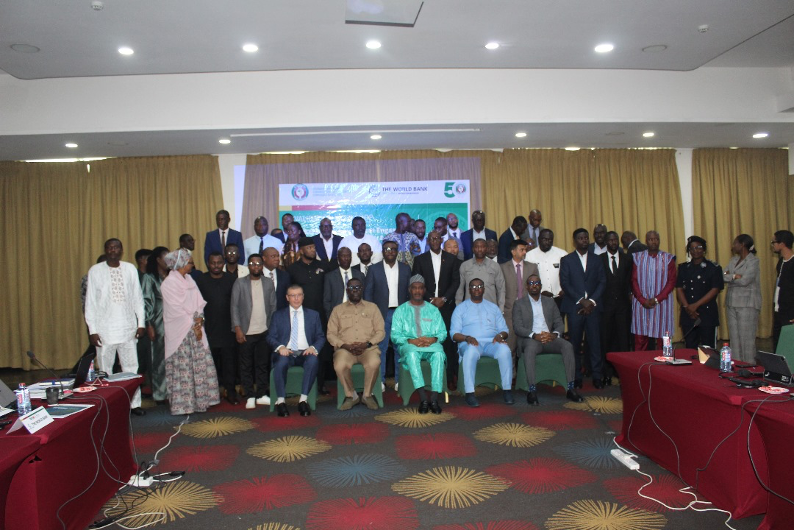
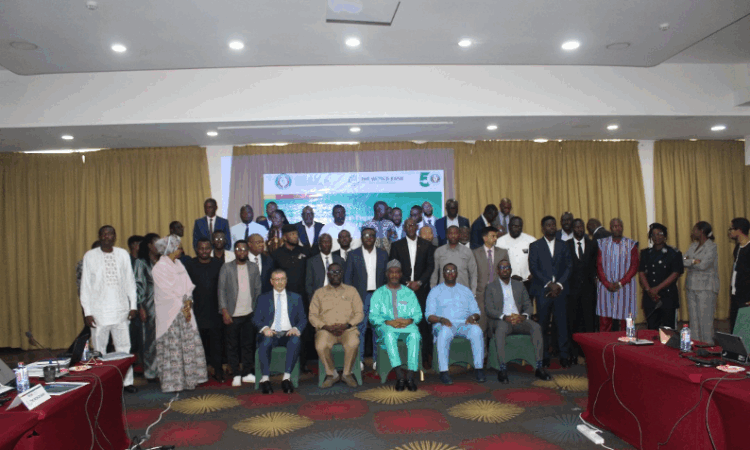
Speaking at a validation workshop on Stakeholders Assessment, Engagement Strategy, and Foundational Identification Systems in Accra, Ghana’s Minister for the Interior, Hon. Mohammed Muntaka Mubarak, emphasized the transformative potential of digital identification systems. He described WURI as a catalyst for regional inclusion, security, and economic empowerment.
“Digital identity is not just about technology—it’s about people, trust, and the shared future we seek to build,” he said. He also stressed the need for stronger data privacy, security measures, and inclusive stakeholder engagement involving citizens, civil society, and the private sector.
Hon. Mubarak noted that a robust digital identity system enables youth, women, and marginalized populations to access public services, participate in the digital economy, and be included in governance structures. He praised the Ghana Card—a national ID integrated with major systems and already issued to over 17 million citizens—as a model, calling it a “powerful digital enabler.”
He further pointed out that interoperable identity systems are critical for regional initiatives such as the African Continental Free Trade Area (AfCFTA), projected to generate over $450 billion in trade annually by 2030, and the ECOWAS Protocol on Free Movement.
“Interoperable IDs are not optional—they are an economic necessity,” he stressed, adding that WURI’s goal to provide unique identification for 100 million people by 2028 is both commendable and essential, given that over half of ECOWAS citizens currently lack official identification.
Progress and Validation
Albert Siaw Boateng, ECOWAS Director for Free Movement of Persons and Migration and WURI Project Coordinator, explained that since 2018—with World Bank funding—ECOWAS has worked toward creating a unified digital identification system.
Consultants assessed member state systems and engaged stakeholders such as ID agencies, social security offices, and central banks.
Two core documents—on stakeholder assessment and system interoperability—have been produced and are being validated by member states. The goal is to adopt them as regional guidelines for a unified identity framework that allows cross-border access to social services.
Initially, six countries—Benin, Togo, Côte d’Ivoire, Guinea, Niger, and Burkina Faso—participated, but Guinea has since exited. Five countries are actively validating the documents, while additional states have joined the process.
Currently, Senegal, Guinea-Bissau, Ghana, Sierra Leone, Benin, and The Gambia are fully engaged, with Nigeria expected to join soon. Full implementation is targeted for 2027–2028, accounting for infrastructure and technological readiness. Once adopted, the roadmap will guide regional harmonization and implementation across all ECOWAS states.