
By Derrick Coleman
In every society, the path of reform is never smooth. It is often lined with obstacles, distractions, and, at times, deliberate attempts to derail progress. Liberia, a nation striving to recover from years of economic hardship and political instability, is no exception.
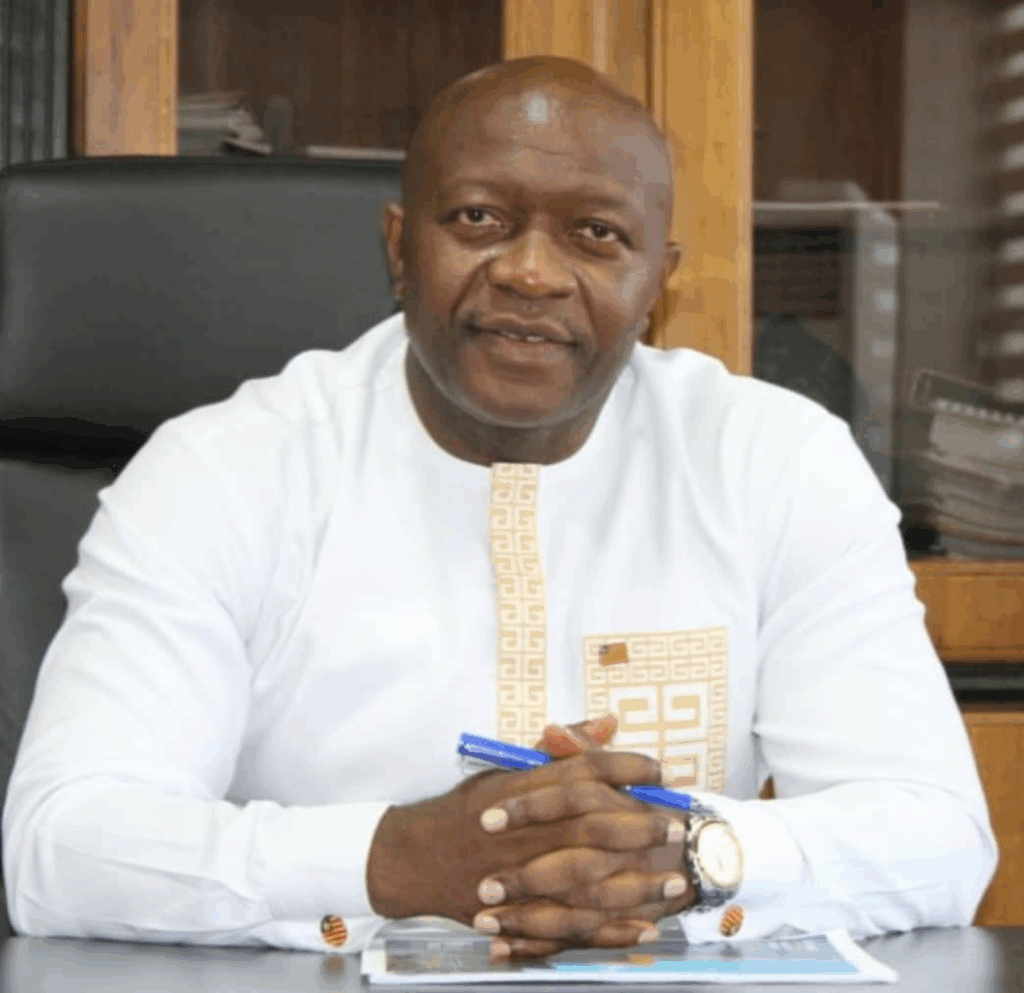
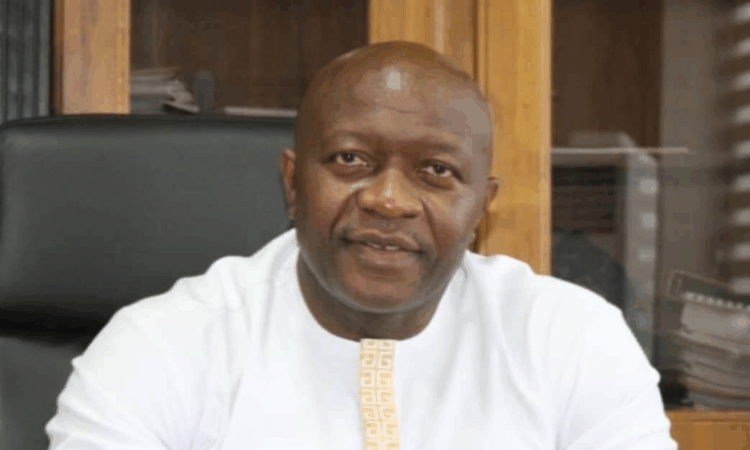
At the heart of its ongoing transformation stands Augustine Kpehe Ngafuan, a dedicated public servant whose career has spanned over 14 years across various institutions. Yet, even while spearheading efforts to stabilize and transform the economy, he finds himself carrying an unwarranted burden, the weight of falsehoods.
Living in a society often regarded as “gullible,” where accusations are sometimes treated as truths long before any legal verdict is reached, is not for the faint-hearted. It requires resilience, patience, and an unwavering commitment to service. The Liberian political space, like many others, is riddled with rumor, speculation, and character assassination. In such an environment, leaders face not only the practical challenges of governance but also the psychological battle of defending their reputations against baseless claims.
A Legacy of Service
To understand the gravity of the current situation, one must first recognize Ngafuan’s legacy. Over the years, he has served Liberia in several critical roles, Budget Director, Minister of Finance, and later, Minister of Foreign Affairs. These positions required not only technical expertise but also a strong moral compass. His service did not end there. After leaving government, he went on to work with the African Development Bank (AfDB) as the Country Manager for Uganda. Such a prestigious role within a multilateral financial institution speaks volumes about his professionalism and credibility.
One simple truth stands out: an individual with a questionable character could not have been entrusted with the responsibility of overseeing AfDB operations in a country like Uganda. His record, both at home and abroad, underscores his commitment to transparent governance and sustainable development.
Returning Home Despite the Risks
When President Joseph Nyuma Boakai called on Ngafuan to return and help steer Liberia’s economy back to stability, hesitation was natural. His reluctance was not due to salary considerations or personal gain. Rather, it was rooted in the painful memories of past false accusations. For anyone who has experienced the trauma of public vilification, the thought of returning to the same environment can be daunting.
Family and friends, however, appealed to his patriotism. They urged him to reconsider, reminding him that Liberia needed his expertise more than ever. After deep reflection, he agreed to return, not because it was easy, but because service to country demanded sacrifice. His decision speaks to a profound sense of duty, even in the face of personal risk.
The Weight of False Accusations
Ngafuan’s hesitation was not unfounded. In the past, he was wrongly accused of misappropriating USD 5 million. Yet, subsequent audit reports revealed that the alleged “missing” funds were not stolen but were delayed in documentation retrieval by various agencies. Similarly, the 2014 General Auditing Commission (GAC) audit showed no evidence of personal wrongdoing on his part.
Nevertheless, Liberia’s societal culture, often quick to judge, did not afford him the benefit of the doubt. In a “gullible” society, as many describe Liberia, accusations easily morph into perceived facts. People are demonized without due process, their reputations stained long before investigations conclude. For public servants, this creates a climate of fear where even diligent efforts risk being overshadowed by misinformation.
The 2024 GAC Report and Renewed Attacks
In 2024, the cycle repeated itself. Critics latched onto the GAC audit, claiming that USD 2.8 million had gone unaccounted for. However, a closer examination of the report revealed otherwise. The reality was far less dramatic: the funds were disbursed to sector agencies, and documentation retrieval was still ongoing at the time of the audit.
Importantly, the Auditor General’s report explicitly acknowledged progress under Ngafuan’s leadership. Over USD 735 million had been disbursed with proper documentation, with only a few exceptions involving clinics in remote areas. Unlike the previous administration’s 2023 audit report, which was described as “adverse,” the 2024 audit rated the Ministry of Finance and Development Planning’s transactions as “qualified”, a clear indication of improvement.
The Comptroller and Accountant General further confirmed that the 2024 audit was comparatively “good” when weighed against the damaging findings of the previous year. In essence, instead of exposing corruption or theft, the report demonstrated systemic progress and stronger financial controls. Yet, detractors chose to ignore these facts, weaponizing half-truths to create political tension.
Why Falsehoods Persist
The persistence of false accusations raises deeper questions. Why do individuals or groups prefer to ignore progress and focus instead on sowing distrust? The answer lies partly in politics. In competitive political environments, discrediting reformers is a strategy often used to weaken their influence. It is easier to attack personalities than to engage in substantive debates about policies and reforms.
Moreover, destroying reputations is far easier than rebuilding them. A single rumor can undo years of dedicated service. Sadly, Liberia’s political discourse has often been marked by this destructive tendency. While robust debate and accountability are essential for democracy, baseless attacks corrode trust and discourage capable individuals from entering public service.
The Human Toll
Behind every accusation is a human being. For Ngafuan, the burden is heavy. From morning until late at night, his focus is on how to strengthen Liberia’s economy. Yet, in the back of his mind lingers the fear of being wrongly accused again. This is the human toll of falsehoods, leaders are forced to divide their energy between governance and defending their reputations.
For the nation, the cost is even higher. When experienced professionals hesitate to serve because of fear of public vilification, the pool of capable leaders shrinks. This undermines national development and prolongs economic hardship.
Building a Culture of Truth and Accountability
If Liberia is to achieve sustainable progress, its citizens must learn to value truth and fairness. Accusations must be verified, evidence must be carefully examined, and public discourse must shift from rumor to fact-based debate. The media, civil society, and political actors all have a role to play in fostering this culture of accountability without sensationalism.
Technology can also help. The transition from manual to electronic record systems within government is a step in the right direction. Faster and more reliable documentation retrieval will reduce the room for misinterpretation and false claims. But systems alone are not enough. A cultural shift toward respecting facts and due process is equally necessary.
Conclusion: Choosing Progress Over Falsehood
The recent controversy surrounding the GAC 2024 audit highlights the dangers of misinformation in a fragile democracy. At no point did the report suggest that USD 2.8 million was missing. Rather, it acknowledged that documentation was incomplete due to limited retrieval time and outdated record-keeping systems. These are administrative challenges, not evidence of corruption.
Ngafuan’s career, both in Liberia and abroad, demonstrates a consistent commitment to service and integrity. His return to government despite past vilification is an act of patriotism. Yet, if Liberians continue to allow falsehoods to overshadow progress, they risk discouraging precisely the kind of leadership the nation needs.
As a people, it is time to rise above the politics of character assassination. It is time to verify before accusing, to celebrate progress rather than dwell on distractions, and to recognize the difference between systemic challenges and personal misconduct. Only then can Liberia truly move from the shadows of despair toward the promise of resilience and prosperity.