
By Eugene Davis
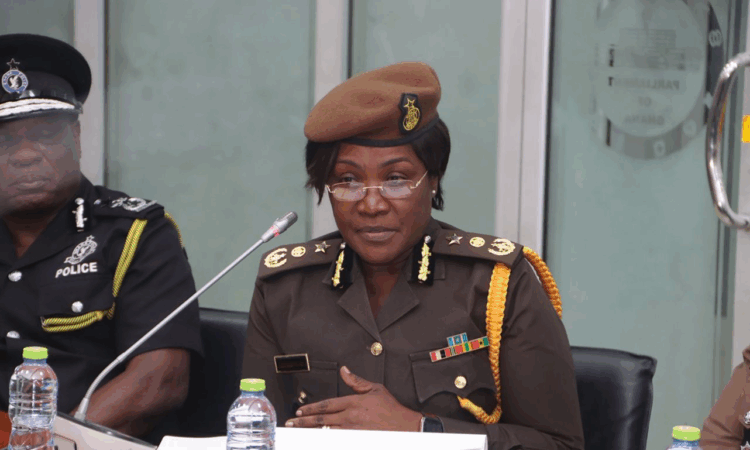
The Director General of Prisons, Patience Baffoe-Bonnie, has stressed that true national security cannot be achieved without prioritising the welfare of prisoners.
Appearing before the Public Accounts Committee (PAC) on Tuesday, she highlighted that food remains the single biggest trigger for prison unrest, warning that poor feeding arrangements have far-reaching effects on the health and well-being of inmates, as well as prison officers.
“Of all the things that have given cause for inmates to riot, the number one issue is food,” she said.
According to Section 95 of the Prisons Service Act, the Director General must ensure that prisoners are supplied with wholesome and nourishing food sufficient to maintain good health. However, the reality has fallen short for years.
The 2024 Auditor-General’s Report revealed that prisoners had been allocated only GH¢1.80 per day since 2010—an amount the Auditor described as woefully inadequate. The report recommended that the Prisons Service engage the Ministry of Finance, through the Ministry of the Interior, to secure an increase.
Mrs. Baffoe-Bonnie confirmed that government has now approved a new rate of GH¢5 per prisoner per day, the first upward adjustment in 15 years, following presidential approval announced by the Minister for the Interior, Muntaka Mohammed Mubarak, on September 30, 2025. The adjustment will be captured in the 2026 Budget, with GH¢10 million expected to be released to cover the last quarter of this year.
Despite this, she insisted that even the GH¢5 allocation remains inadequate, noting that the Prisons Service had initially proposed GH¢10 per day.
“One cedi, eighty pesewas is not even the real amount spent on feeding because contractors also take their profit. Practically, we are feeding inmates with about one cedi daily,” she lamented.
To bridge the gap, the Service has been supplementing meals with produce from prison gardens, fish ponds, poultry farms, and occasional support from churches.
Mrs. Baffoe-Bonnie stressed that food shortages must be addressed urgently, warning that poor rations compromise inmate health, trigger riots, and threaten the safety of officers.
She added:
“They are part of us. They will return to society, and we never know who might become our guest tomorrow.”
The Director General also highlighted the need for modernised prison infrastructure, enhanced vocational training, and increased government funding to support inmate rehabilitation and national security.
Chairman of Parliament’s Human Rights Committee, Ernest Anim, described the situation as “a national concern” and urged the President to intervene.
Meanwhile, the Directorate has captured the GH¢5 allocation in the 2026 budget but continues to push for a review to reflect the real cost of feeding adults in custody.