24-Hour Economy must not be an empty talk, Afenyo-Markin urges gov’t to deliver


By Eugene Davis
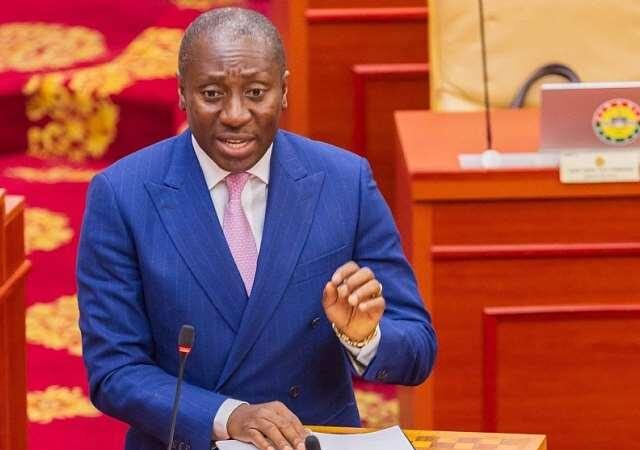
Minority Leader, Alexander Afenyo-Markin, has called on the government to ensure that its much-publicized 24-hour economy policy truly delivers on its promise of creating jobs and revitalizing Ghana’s economy.
The initiative, championed by President John Dramani Mahama, is envisioned as a transformative economic reset — one that will expand Ghana’s production base through continuous, multi-shift operations and integrated value chains. It is structured around eight sub-programmes, targeting key sectors such as agriculture, manufacturing, logistics, and the creative arts.
According to government projections, the 24-hour policy is expected to create five million jobs by 2034 and maintain a sustained GDP growth rate of six percent. Among its notable components are plans to develop agro-industrial parks, industrial corridors along the Volta Basin, inland ports, and 40,000 housing units for low- and middle-income earners by 2028.
However, in his opening remarks to Parliament as the House resumed sitting after a three-month recess, Afenyo-Markin urged the government to “walk the talk” and translate its lofty rhetoric into tangible outcomes.
“The 24-hour economy must not be an empty talk. It must provide hope for the many who expect jobs,” he emphasized. “The time has come for government to walk the talk of ensuring that the private sector becomes the real engine of growth. Enough of the rhetorics.”
His remarks underscore growing skepticism among the opposition about the feasibility of the initiative, which many argue has so far remained more of a political slogan than a detailed economic plan.
Beyond the economy, the Minority Leader also expressed concern over the country’s environmental degradation, particularly the impact of illegal mining. He warned that failure to act decisively could have long-term consequences, stating:
“The time to act is now. If we fail to protect our rivers, lands, and communities, we risk failing an entire generation.”
Afenyo-Markin further reiterated the Minority’s strong objection to the reported removal of Chief Justice Gertrude Araba Esaaba Sackey Torkornoo, describing the process as lacking transparency and undermining constitutional independence.
“We believe the process lacked transparency, violated constitutional principles, and sets a dangerous precedent for judicial interference,” he noted.
Analysis
Afenyo-Markin’s statement reflects a broader concern about policy credibility and governance consistency in Ghana’s economic management. His comments highlight three critical themes:
Economic realism – the call for government to move from slogans to implementable, measurable action.
Environmental accountability – a reminder of the urgent need for stronger state intervention against illegal mining.
Institutional independence – the Minority’s defense of judicial autonomy as essential to Ghana’s democratic stability.
His remarks resonate with the growing demand among Ghanaians for transparent governance and practical solutions to unemployment and environmental decline.