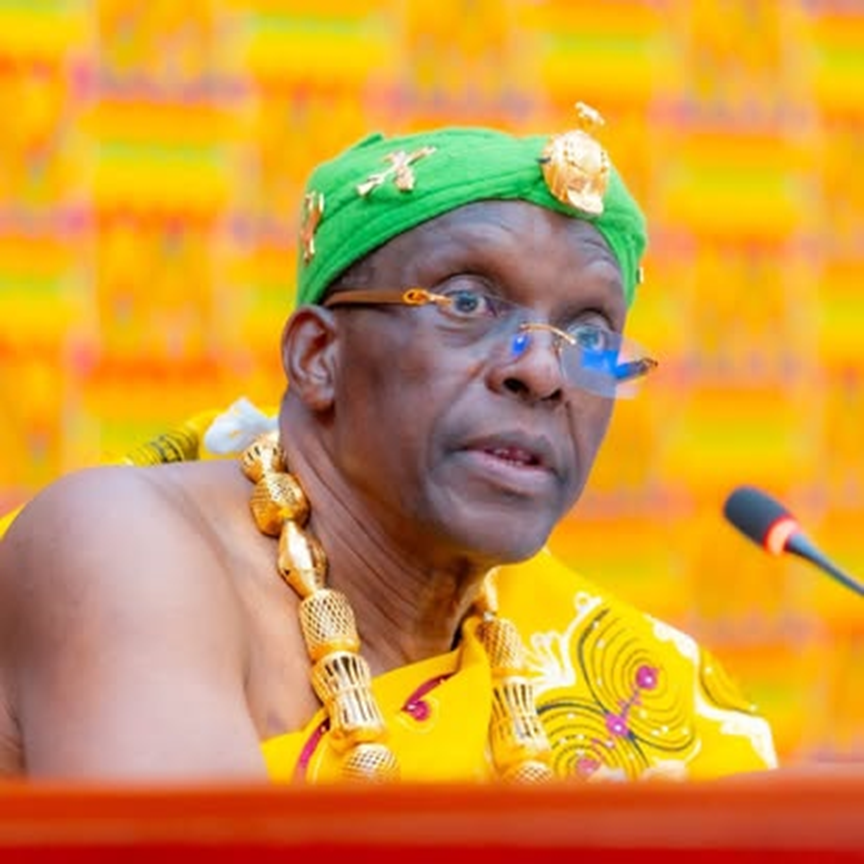

Ghana’s Speaker of Parliament has called for greater unity, discipline and stronger oversight as the House begins the second session of the Ninth Parliament, urging lawmakers to rise above partisanship and restore public confidence in the country’s democratic institutions.
Delivering his opening address at the start of the session, the Speaker said the past year had tested Parliament’s resilience and its commitment to the standards expected of those entrusted with the people’s mandate.
The First Session, he noted, challenged members’ endurance, tolerance for opposing views and adherence to parliamentary traditions — qualities he described as essential to sustaining Ghana’s democratic culture.
“This moment should serve not only as the commencement of a new session,” he told the House, “but as an opportunity to reflect on our conduct and performance and to strengthen the standards by which we serve the nation.”
His remarks come at a time when Parliament’s role is increasingly central to national governance, with citizens demanding more rigorous scrutiny of government policy and public spending, particularly as the country works to consolidate economic stability and rebuild trust in state institutions.
The Speaker indicated that the new session would carry a heavy legislative and oversight agenda, with committees expected to intensify scrutiny of reports from ministries, departments and agencies. Stronger accountability, he suggested, would be key to ensuring that policies translate into tangible improvements in people’s lives.
Analysts say an effective Parliament — one that passes timely legislation and robustly checks the executive — will be critical to sustaining reforms, improving service delivery and supporting long-term economic growth.
The opening also carried a sombre tone. The House paid tribute to three Members of Parliament who died during the year — Murtala Mohammed of Tamale Central, Ernest Yaw Kumi of Akwatia, and Naser Toure Mahama of Ayawaso East — with the Speaker describing their passing as a reminder of the sacrifices inherent in public service.
He urged lawmakers to temper political differences with respect and cooperation, warning that public trust in Parliament depends not only on the laws it passes but also on the conduct of its members.
With a demanding calendar of bills and more than a year into its mandate, the Ninth Parliament now faces the task of translating debate into results — and demonstrating that the institution can meet the expectations of a nation looking for steady leadership and accountable governance.Ghana’s Speaker of Parliament has called for greater unity, discipline and stronger oversight as the House begins the second session of the Ninth Parliament, urging lawmakers to rise above partisanship and restore public confidence in the country’s democratic institutions.
Delivering his opening address at the start of the session, the Speaker said the past year had tested Parliament’s resilience and its commitment to the standards expected of those entrusted with the people’s mandate.
The First Session, he noted, challenged members’ endurance, tolerance for opposing views and adherence to parliamentary traditions — qualities he described as essential to sustaining Ghana’s democratic culture.
“This moment should serve not only as the commencement of a new session,” he told the House, “but as an opportunity to reflect on our conduct and performance and to strengthen the standards by which we serve the nation.”
His remarks come at a time when Parliament’s role is increasingly central to national governance, with citizens demanding more rigorous scrutiny of government policy and public spending, particularly as the country works to consolidate economic stability and rebuild trust in state institutions.
The Speaker indicated that the new session would carry a heavy legislative and oversight agenda, with committees expected to intensify scrutiny of reports from ministries, departments and agencies. Stronger accountability, he suggested, would be key to ensuring that policies translate into tangible improvements in people’s lives.
Analysts say an effective Parliament — one that passes timely legislation and robustly checks the executive — will be critical to sustaining reforms, improving service delivery and supporting long-term economic growth.
The opening also carried a sombre tone. The House paid tribute to three Members of Parliament who died during the year — Murtala Mohammed of Tamale Central, Ernest Yaw Kumi of Akwatia, and Naser Toure Mahama of Ayawaso East — with the Speaker describing their passing as a reminder of the sacrifices inherent in public service.
He urged lawmakers to temper political differences with respect and cooperation, warning that public trust in Parliament depends not only on the laws it passes but also on the conduct of its members.
With a demanding calendar of bills and more than a year into its mandate, the Ninth Parliament now faces the task of translating debate into results — and demonstrating that the institution can meet the expectations of a nation looking for steady leadership and accountable governance.