
By Samuel Nartey
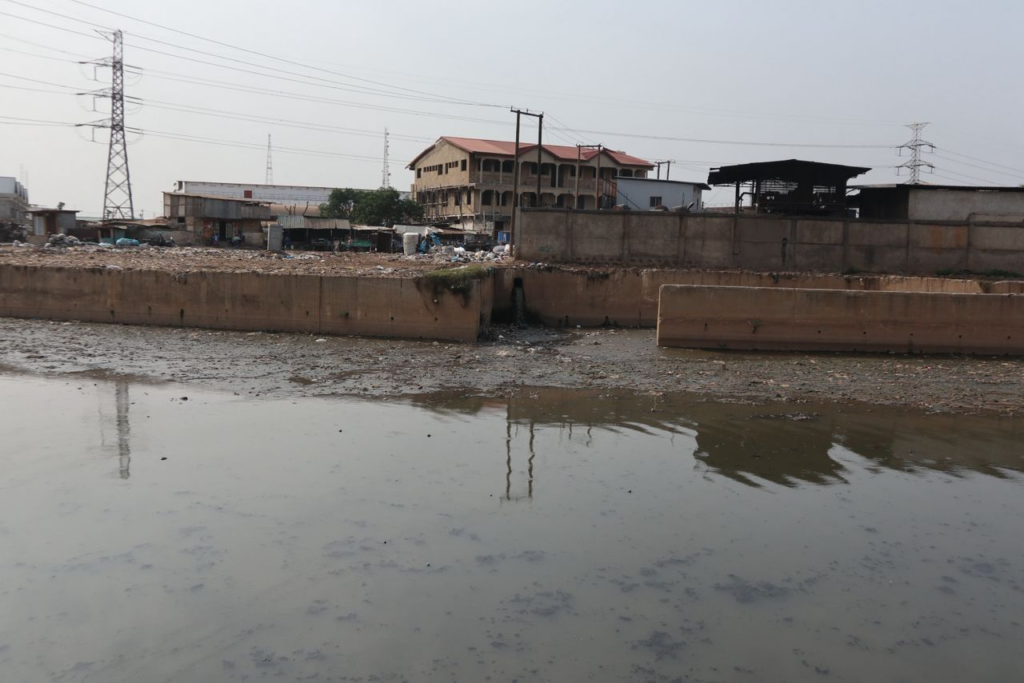
In the low-lying, bustling commercial hub of Adabraka-Odorna, the line between a heavy downpour and a devastating disaster is often drawn by a single, unfortunate factor: a choked drainage system.
For years, traders and residents have watched floodwaters invade their shops and homes, a recurring nightmare fueled by solid waste clogging the primary drains that feed into the Odaw River.
However, a new beacon of hope is emerging from an unlikely source. A group of students from the University of Media Arts and Communication (UniMAC), operating under the banner, “Floodwise Ghana,” have spent the last eight weeks piloting an innovative approach to flood management that puts the community at the very heart of the solution.
Instead of arriving with blueprints and top-down directives, the student team, led by Project Manager Kester Aburam Korankye, began by listening.
Their project, titled “Floodless Odorna: Reducing Flood Risk through Participatory Waste and Drainage Management,” seeks to tackle the root cause of the flooding, not just with engineering, but with a profound shift in community habits.
“We realized early on that while infrastructure is critical, it is only half the battle,” Mr. Korankye explained during a community engagement session.
“The drains are perpetually choked because the link between a piece of plastic dropped on the street and a flood entering a shop is not being made. We are here to co-create that understanding.”
From Market to Mic: A Participatory Approach
The students’ methodology reads like a masterclass in community engagement.
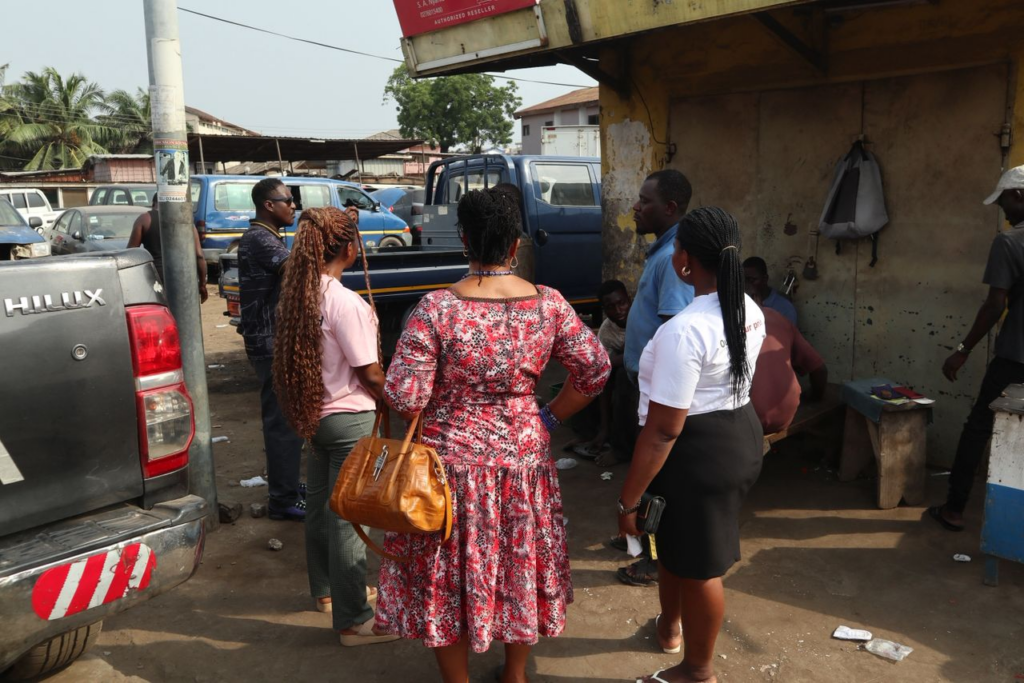
They began with site visits to the Odaw River basin and informal interviews with shop owners, confirming that poor waste management is the primary aggravator of localised flooding.
Armed with this data, the team, which includes a Community Liaison Officer, Emmanuella Agbezukey, specifically tasked with connecting with market traders and transport unions, employed a range of creative, participatory tools.
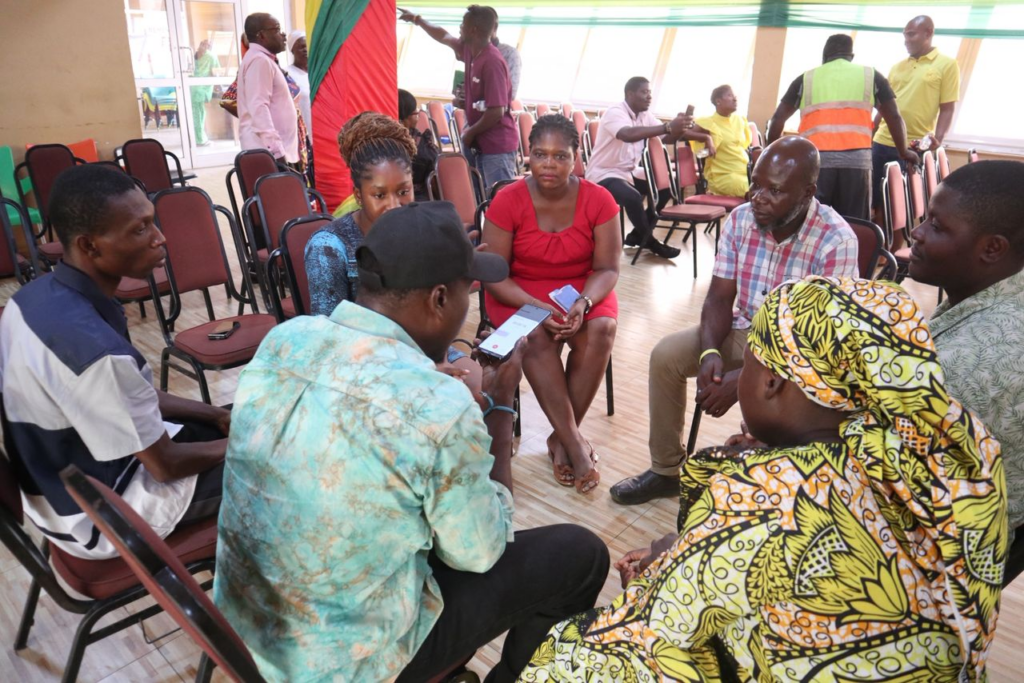
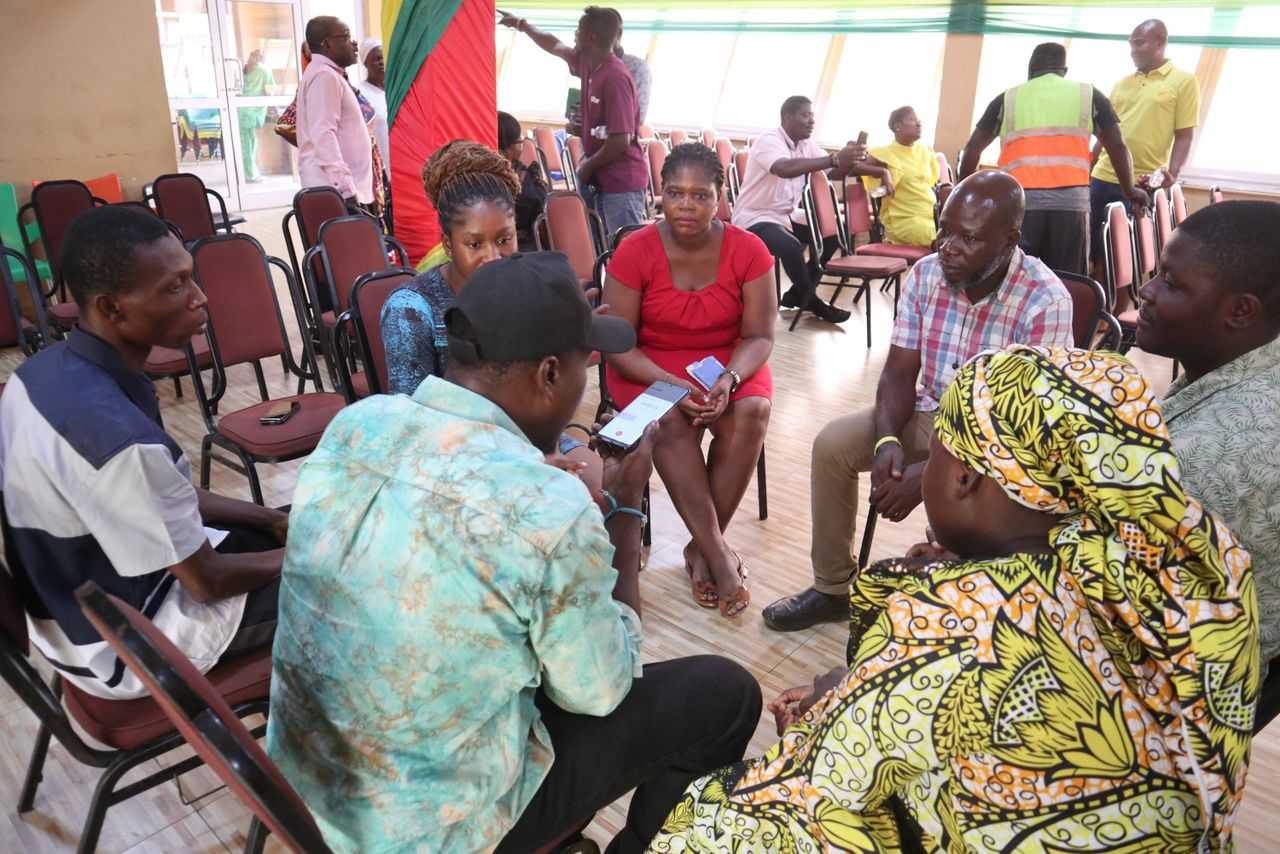
Key among them was a “World Café” session, where traders from the Odorna market, GPRTU officials, and residents gathered to map out flood hotspots and share their lived experiences.
This was complemented by a stark photo essay documenting choked drains and stagnant water, and the production of a 12-minute podcast featuring flood survival stories from the community.
“This is not just an academic exercise for us,” said Rebecca Nyarnoh, the team’s Research Officer.
“When a market woman sees a photo of a drain she passed yesterday and understands it is the reason her goods were swept away last year, the message becomes personal. It moves from theory to reality.”
Building a Flood-Resilient Future
The project, supported by a feasibility study and a clear Theory of Change, operates on the premise that if residents see the direct link between waste dumping and flooding, they will adopt better habits and advocate for regular desilting by authorities.
The team’s scope also included stakeholder mapping with key players like NADMO and the Korle Klottey Municipal Assembly, ensuring that the community’s voice is linked to institutional action.
“When it comes to flood solutions, it’s always better to work together with all stakeholders especially duty bearers but it’s more important to empower to residents to be at the forefront of the solutions,” Logistics and Welfare Officer Katherine Kafui Heletsi said.
Helena Quayson, the Documentation and Reporting Officer, noted that their goal is to create a replicable model.
“We are compiling our findings into a comprehensive report, including flood-risk maps and vision posters co-created with the community. This isn’t just a report to be filed away; it is a tool for the community to use to advocate for themselves,” she said.
The initiative aligns directly with the government’s broader Greater Accra Resilient and Integrated Development (GARID) project but focuses on the critical human element often missed in large-scale engineering works.
As the team enters its final week, the sentiment among the traders is one of cautious optimism.
“For a community long battered by the elements, being asked to be part of the solution is a powerful first step toward a dry and safe Odorna,” the Monitoring and Evaluation Head of the team, Ama Atta Egyima said.
The students hope their work will prove that when it comes to flood management, the most effective channel is often a conversation, not just a concrete drain.