
By Eugene Davis
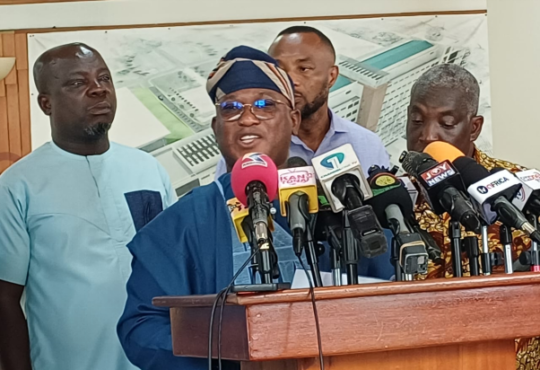
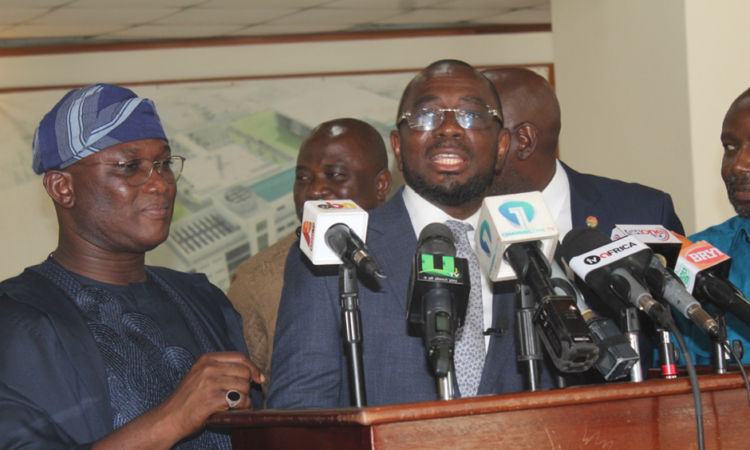
Ghana’s Minority Caucus on Parliament’s Roads and Transport Committee, led by Ranking Member Kennedy Osei Nyarko, has raised concerns over delays in reform implementation, funding shortfalls and stalled infrastructure projects, warning of mounting risks to the sector and the wider economy.
At the centre of the critique is the slow rollout of the National Roads Authority Act, passed in 2024 to consolidate the Ghana Highway Authority, Department of Urban Roads and Department of Feeder Roads under a single body. The Minority argues that the continued delay in operationalising the authority is undermining coordination and weakening efforts to improve efficiency in road delivery.
The caucus also pointed to a deepening financing strain, with large arrears owed to contractors and limited disbursements from the Road Fund. “Commitments in the road sector are not being matched by actual financial flows,” it said, noting that many contractors have abandoned sites due to non-payment, leaving projects stalled across the country.
According to the Minority, the situation has resulted in widespread project inactivity, with a significant share of ongoing works halted. It warned that abandoning partially completed projects risks deterioration, higher future costs and a loss of value for public investment.
While backing the government’s flagship “Big Push” infrastructure programme in principle, the caucus questioned the transparency of contract awards and called for full disclosure of contractors, scope and unit costs. It argued that openness is essential to maintaining public confidence, particularly given the scale of resources involved.
On revenue mobilisation, the Minority criticised delays in reintroducing road tolls under a modernised, technology-driven system, describing the absence of progress as a missed opportunity to shore up funding for maintenance.
Concerns also extend to major projects, including the proposed Accra–Kumasi expressway. The caucus said the lack of cost clarity—particularly around compensation for affected properties—makes it difficult to assess the project’s value for money under current fiscal constraints.
Elsewhere, it flagged the apparent stalling of the District Road Improvement Programme, citing idle equipment and the dismissal of trained operators as key setbacks. This, it said, is worsening conditions on feeder roads and limiting access to markets and services in rural areas.
Railway development has similarly drawn criticism, with the Minority pointing to minimal budgetary allocations and delays in operationalising near-complete lines. It warned that failing to complete supporting infrastructure risks leaving substantial past investments underutilised.
The suspension of work at the Boankra Inland Port was described as particularly troubling, given its role in trade facilitation and regional connectivity. The caucus said leaving such projects idle undermines Ghana’s ambition to serve as a logistics hub for the sub-region.
It also highlighted the non-enforcement of the Ghana Shippers’ Authority Act, arguing that the absence of a functioning regulatory framework has exposed importers to arbitrary charges by shipping lines.
Economic implications
The Minority’s concerns reflect broader risks to Ghana’s infrastructure-led growth strategy. Delays in project execution and weak financing flows can slow construction activity, dampen job creation and raise costs across the economy.
Road and transport infrastructure remain critical to trade, agriculture and industrial activity. Prolonged disruptions—particularly in feeder roads and logistics networks—risk increasing transport costs, weakening supply chains and reducing competitiveness.
At a time of tight fiscal space, the caucus argues that prioritising completion of existing projects, improving transparency and unlocking alternative financing will be key to sustaining investment and restoring confidence in the sector.
“Infrastructure development requires continuity, credible financing and transparency,” the Minority said, urging the government to accelerate implementation and align policy commitments with execution on the ground.
Kennedy Osei Nyarko (middle) addresses the media